Editor’s note: This post has been updated to include additional in-person classes, class times and locations, and direct links to each session in the RootsTech class catalog.
By: Courtney Eberhard
Can’t attend in person?
Learn how to access RootsTech 2026 online for free and explore virtual classes, sessions, and the Expo Hall.
Discover the benefits of attending RootsTech 2026, from expert-led genealogy classes and DNA technology to meaningful connections with relatives and the global family history community.
RootsTech is the world’s largest genealogy and family history conference, bringing together education, technology, and community. If you’ve been wondering why attend RootsTech in person, this guide explores the benefits of attending RootsTech—from hands-on learning and expert access to meaningful connections you can’t replicate online.
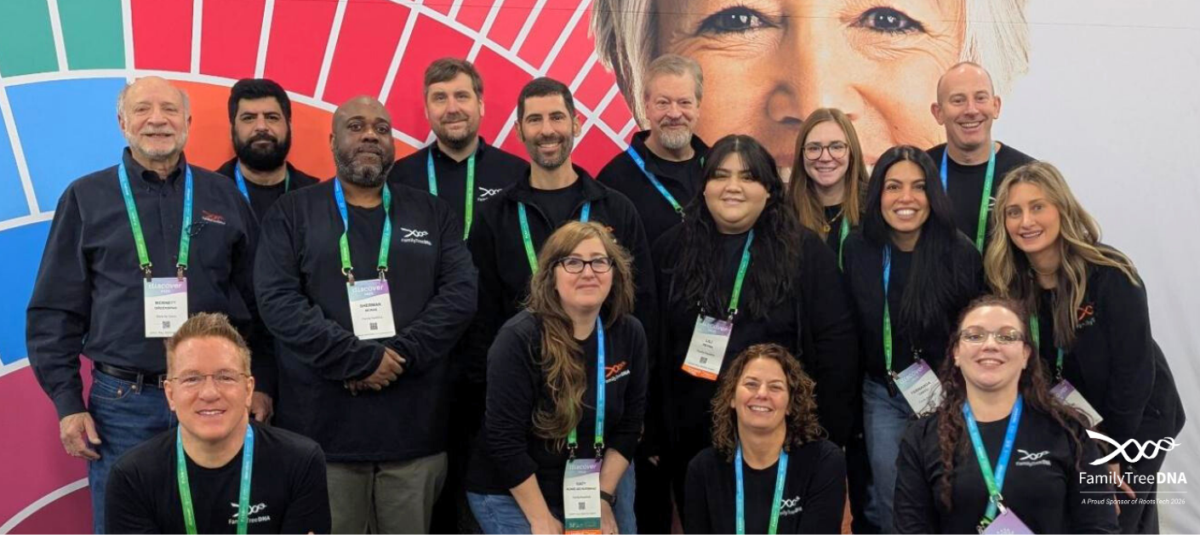
So what happens at RootsTech? You’ll attend genealogy classes and workshops, explore DNA testing companies and genealogy technology in the Expo Hall, and connect face-to-face with genealogy experts from around the world.
For many attendees, the most powerful moment is Relatives at RootsTech, where family connections through genealogy become real people, real stories, and real relationships.
Below, you’ll find answers to the most common questions about the in-person RootsTech experience.
What Happens at RootsTech?
When you attend RootsTech 2026 in person, you’re stepping into a high-energy, immersive genealogy conference experience where something is always happening. This isn’t a sit-in-one-room-all-day event—it’s a dynamic environment designed for exploration, discovery, and connection at every level of experience.
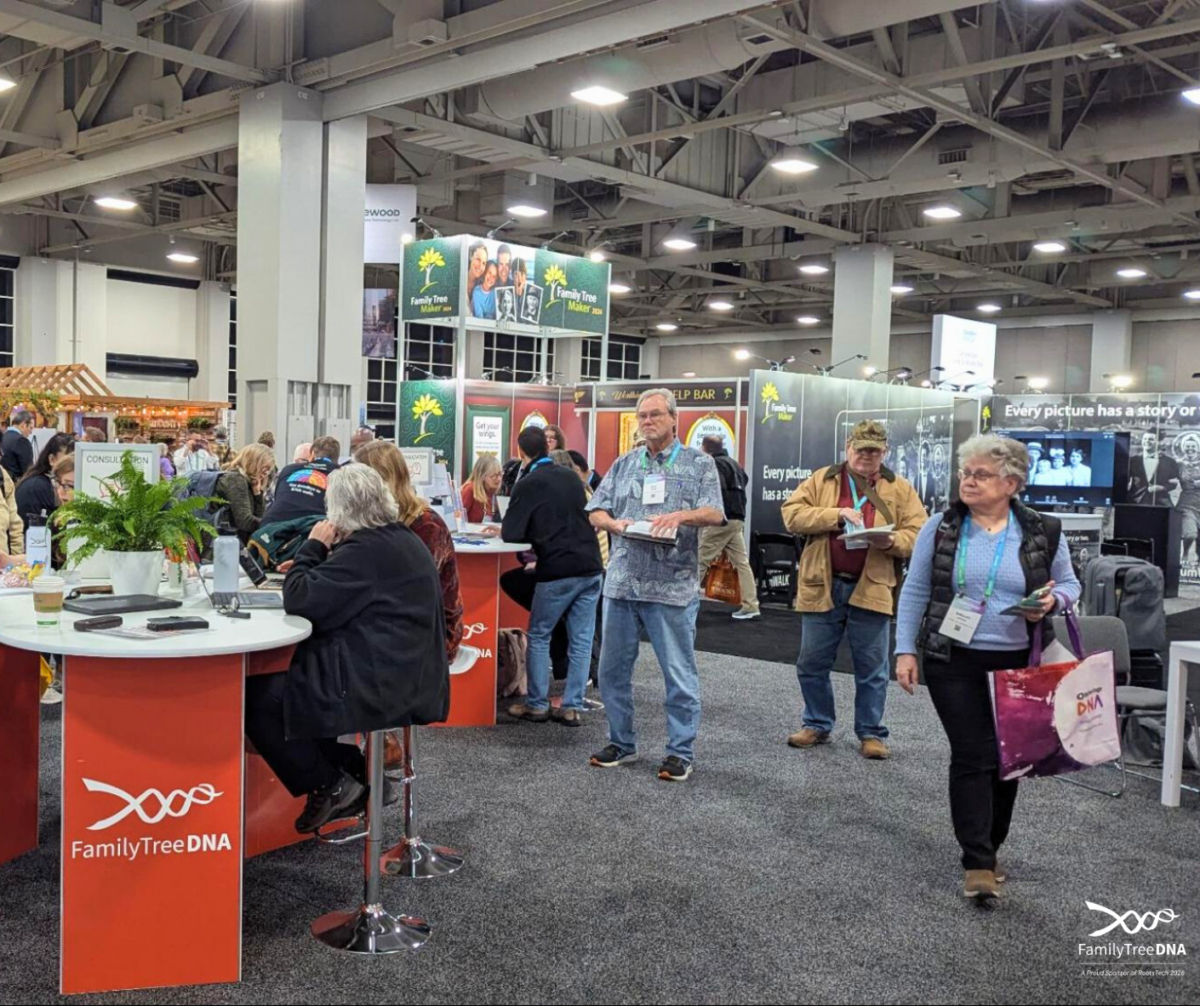
Each day includes multiple breakout genealogy classes and workshops running simultaneously, a main stage with featured sessions, and a bustling Expo Hall filled with genealogy technology, tools, and live demonstrations.
Attendees move between sessions, explore new software, ask questions directly of genealogy experts, and use the RootsTech app to navigate schedules, speakers, and events in real time.
Between sessions, learning doesn’t stop. There are dedicated spaces where attendees set up laptops to apply what they’ve just learned directly to their own family history research. You’ll see small groups forming organically—people comparing notes, sharing discoveries, or helping each other solve a research challenge on the spot.
Add in giveaways, photo opportunities, and spontaneous conversations, and the experience stays engaging from morning to evening.
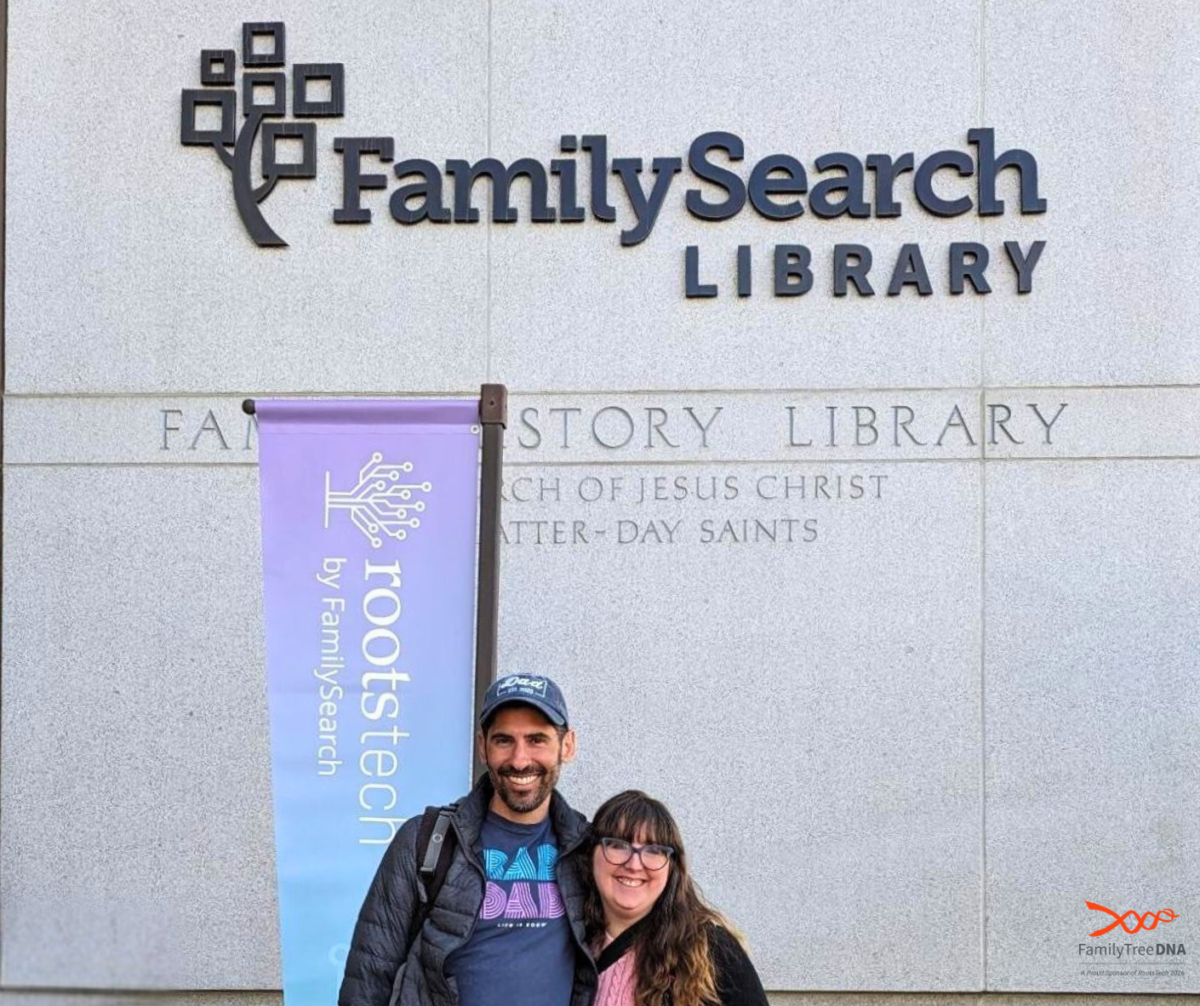
RootsTech also extends beyond the conference walls. Just a block away is the FamilySearch Library, the world’s largest genealogy library, where additional events, research opportunities, and expert help are always happening during the conference.
Whether you’re attending for the first time or returning to reconnect with friends and colleagues, RootsTech is a full-day, full-spectrum family history conference experience built around learning, momentum, and discovery.
Learn Through Classes, Workshops, and Live Demos
One of the biggest benefits of attending RootsTech is the range and depth of genealogy education available in one place. Classes are clearly labeled by experience level:
- Beginner
- Intermediate
- Advanced
- All Levels
Classes are led by presenters who specialize in making complex topics approachable and practical.
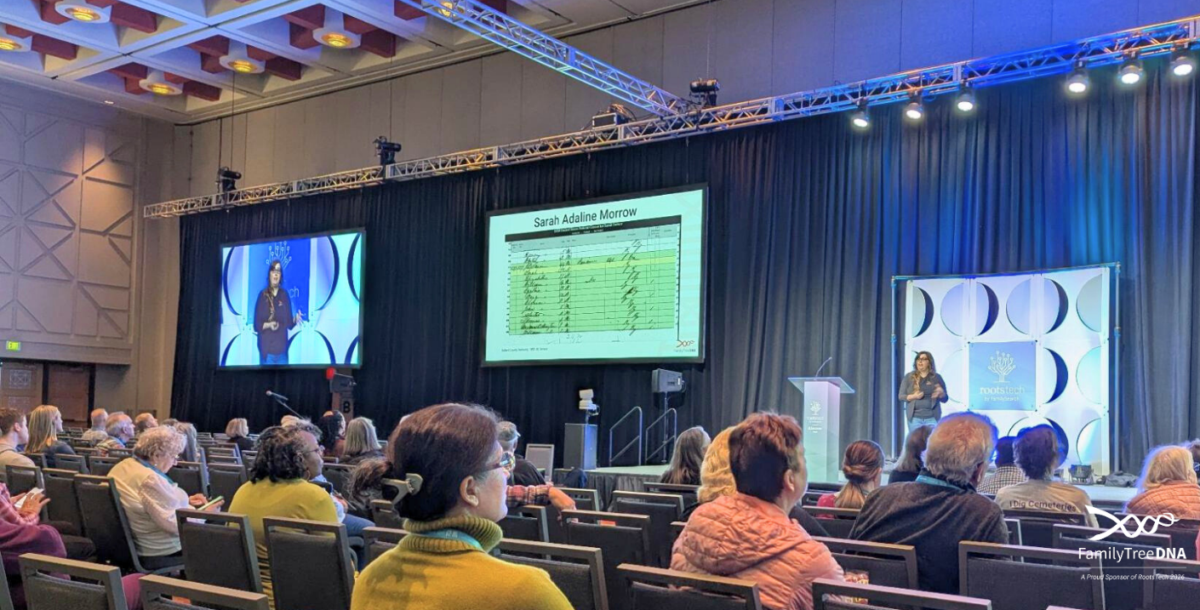
That said, genealogy skills don’t always fit neatly into a single category. Many attendees find their level “floats” depending on the topic. You might feel advanced when it comes to DNA but consider yourself a beginner when researching historical records, or vice versa.
RootsTech classes are designed with this in mind, allowing attendees to mix and match sessions based on their interests and current research challenges rather than sticking to one track all day.
For many people, the classes are the main reason to attend RootsTech year after year. These sessions are taught by researchers and professionals who understand the real challenges genealogists face—and how to explain solutions in ways that actually work.
While a portion of classes are available via livestream, attending in person offers access to the full catalog, deeper interaction, and hands-on opportunities that make the learning experience even more valuable.
Explore the RootsTech class catalog
The RootsTech 2026 Class Catalog is now live, giving attendees an early look at the genealogy classes planned for this year’s conference. While classes continue to be added throughout January, the catalog offers a valuable sneak preview of the topics, presenters, and experience levels you can expect at the conference.
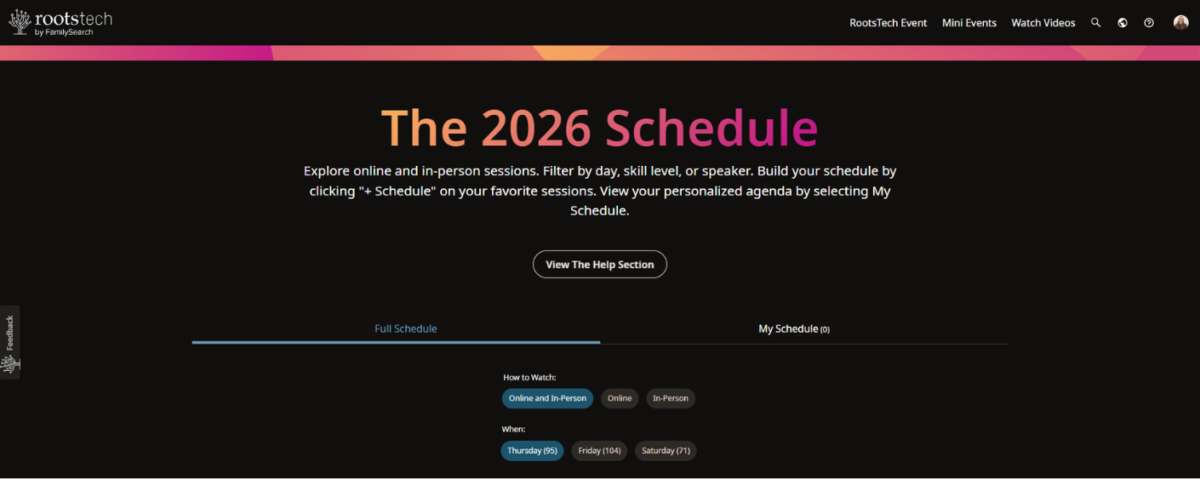
Browsing the catalog allows you to:
- explore session descriptions.
- see how classes are categorized by topic and skill level.
- start identifying sessions that align with your interests and research goals.
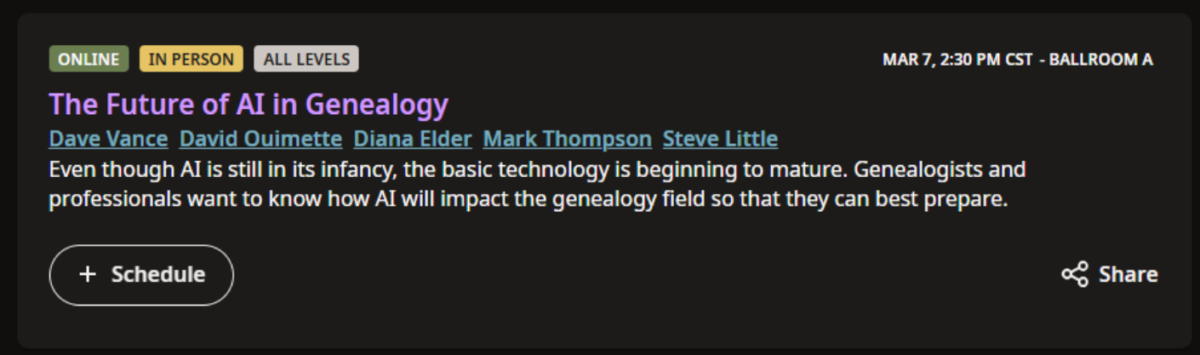
Even as the catalog continues to grow, it’s a helpful tool for getting familiar with the scope of RootsTech classes and beginning to plan your in-person experience.
Major Topics
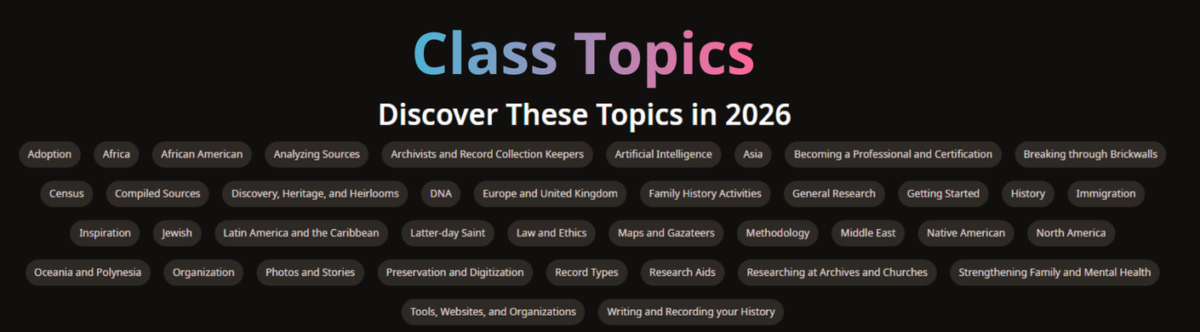
Topics span nearly every area of family history research. Attendees will find sessions focused on:
- DNA and genetic genealogy
- breaking through brick walls
- historical records and methodology
- adoption research
- Immigration
- preservation and digitization
- writing and sharing family stories
- research across specific regions and communities
Whether you’re just getting started or refining decades of work, the variety of genealogy classes makes it easy to tailor your experience.
Our In-Person Classes at RootsTech 2026
FamilyTreeDNA will be presenting multiple in-person classes at RootsTech 2026, led by experienced genetic genealogists who work directly with researchers every day. These sessions are designed to help attendees better understand DNA results, apply genetic genealogy tools effectively, and gain practical insights they can use immediately in their own research.
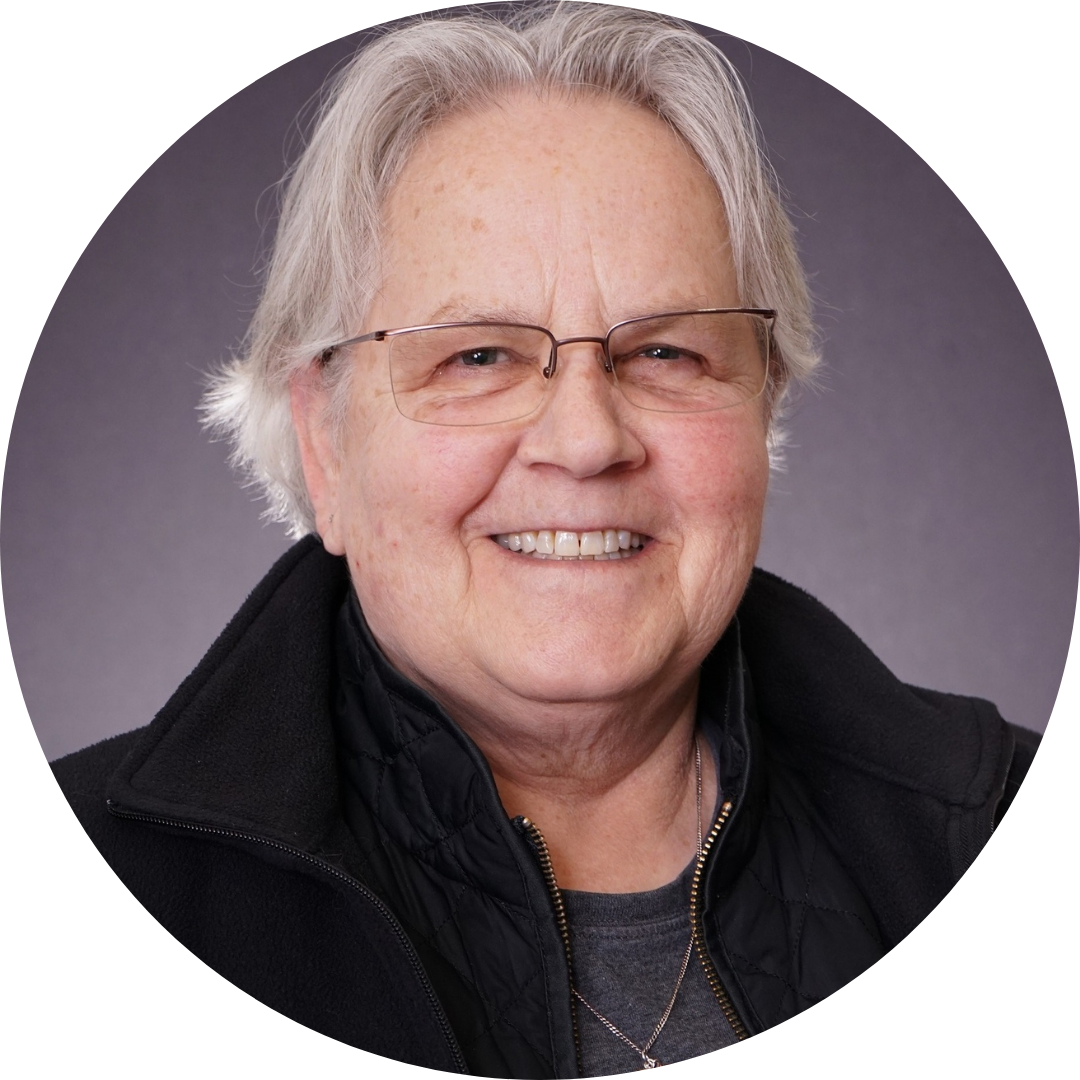
DNA Group Projects: Bringing Your Family Together Through Research
This session explores how DNA Group Projects bring families and surname groups together to compare results, collaborate, and solve shared research questions. Attendees will learn how group projects work, why they’re powerful for genetic genealogy, and how different DNA tests contribute to building a clearer picture of shared ancestry through real-world examples.
Presenter: Mags Gaulden
Mags Gaulden is a genetic genealogist and international speaker known for her work in DNA collaboration, including mitoYDNA.org and WikiTree’s DNA integration efforts.
Class Schedule
Date: March 5, 2026
Time: 1:30 PM MST
Location: Room 155 BC
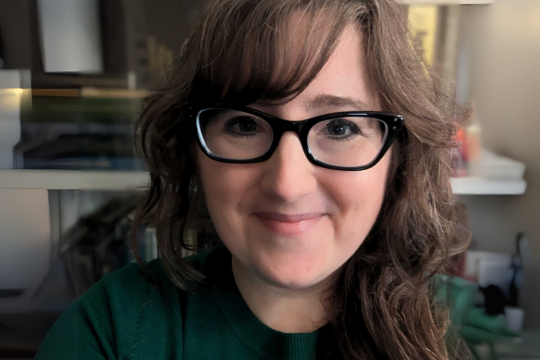
Digging into DNA: How Ancient Samples Reveal Your Modern Heritage
Explore how ancient DNA extends family history beyond traditional records, connecting modern Y-DNA and mtDNA results to thousands of ancient samples from across human history. Attendees will learn how FamilyTreeDNA’s Ancient Connections tool within the Discover™ platform reveals where their genetic branches intersect with populations such as Viking Age individuals, Bronze Age communities, and early hunter-gatherers—placing once “nameless” ancestors back into the human family tree.
Presenter: Katy-Rowe Schurwanz
Katy Rowe-Schurwanz is Product Manager at FamilyTreeDNA, where she advocates for customers by helping shape genetic genealogy tools that break down brick walls and make complex DNA insights accessible to researchers at every level.
Class Schedule
Date: March 5, 2026
Time: 8:00 AM MST
Location: Room 255 A

RootsTech Innovation and Tech Forum 2026
Industry innovators gather to reveal the latest developments created to simplify your family discovery experience. This class will be livestreamed and is a presentation with multiple presenters.
Presenter: Dave Vance
Dave Vance is a lifelong genealogist and Senior Vice President & General Manager at FamilyTreeDNA, with extensive experience developing tools, publications, and methodologies in genetic genealogy.
Class Schedule
Date: March 6, 2026
Time: 9:30 AM MST
Location: Main Hall

Mapping Maternal Connections: Where Science Meets Genealogy on the mtDNA Tree of Humankind (Livestreamed)
Explore FamilyTreeDNA’s expanded mtDNA Tree of Humankind and learn how maternal DNA testing reveals ancient origins, migration paths, and family connections across time.
Presenter: Roberta Estes
Roberta Estes is a founding pioneer in genetic genealogy and the author of The Complete Guide to FamilyTreeDNA, with decades of experience combining DNA science and traditional research to solve complex ancestral puzzles.
Class Schedule
Date: March 6, 2026
Time: 1:30 PM MST
Location: Ballroom A

Big Y for Real-World Genealogy: Using Case Studies to Demonstrate Y-DNA Tools
This session explores how Big Y testing goes beyond haplotree placement to pinpoint lineages, identify ancestral clusters, distinguish between unrelated surname lines, and clarify relationships once assumed to be close. Attendees will gain a clear understanding of Y-DNA tools—including Discover™ reports—and how to apply them to their own research.
Presenter: Janine Cloud
Janine Cloud is Customer Service Manager, Group Projects Manager, and Event Coordinator at FamilyTreeDNA, with years of experience helping genealogists bridge DNA evidence and historical records.
Class Schedule
Date: March 7, 2026
Time: 1:30 PM MST
Location: Room 155 BC

The Future of AI in Genealogy (Live Panel)
Discover how artificial intelligence is transforming genetic genealogy—from data analysis to research tools—and learn what’s next for responsible, human-guided innovation in family history research.
Presenter: Dave Vance
Dave Vance is a lifelong genealogist and Senior Vice President & General Manager at FamilyTreeDNA, with extensive experience developing tools, publications, and methodologies in genetic genealogy.
Class Schedule
Date: March 7, 2026
Time: 1:30 PM MST
Location: Ballroom A
Full session details, dates, and times are available in the RootsTech Class Catalog.
Expo Hall & technology demos
While many sessions take the form of lectures or panels, RootsTech also emphasizes practical learning. In the Expo Hall, exhibitors host booth talks, live demos, and walk-throughs that let attendees see tools and techniques in action.
One-on-One Consultations with Genetic Genealogy Experts
Consultations are the most engaged part of the FamilyTreeDNA booth—and for good reason. These first-come, first-served sessions give attendees dedicated time with genetic genealogy experts who genuinely love helping people solve research puzzles.
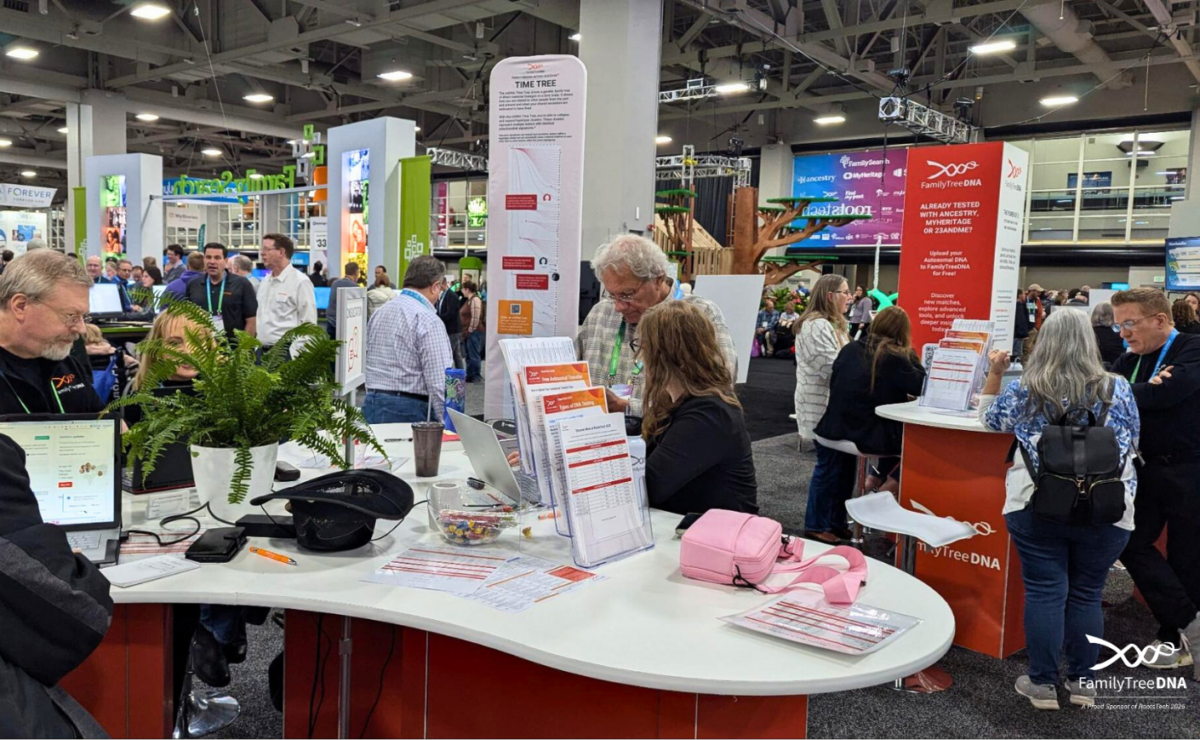
Our experts work directly with customers every day, and their enthusiasm shows. They’re just as excited about your discoveries as you are.
Attendees are encouraged to bring their laptops, notes, and specific questions. Whether you’re trying to interpret results, break through a brick wall, or decide which test or upgrade makes sense, consultations offer focused, personalized help you can immediately apply.
Swab On Site with In-Person Discounts
RootsTech attendees can take advantage of exclusive in-person discounts on FamilyTreeDNA tests, bundles, and upgrades—and skip the hassle of mailing samples.
- If you’re testing for the first time, you can swab on site and we’ll bring your sample back to our Houston lab.
- If you’re upgrading, your sample is already on file and our lab gets to work right away.
Many attendees stop by the booth right after a class, ready to take the next step or purchase a test for a family member. We’ve made the process fast and easy so you can move from learning to action without delay.
Booth Talks, Live Demos, and Raffles
FamilyTreeDNA’s booth talks were a standout hit last year—so much so that we had to add more chairs. These short, focused talks are curated around the questions we know genealogists are asking and are led by the same experts who host consultations.
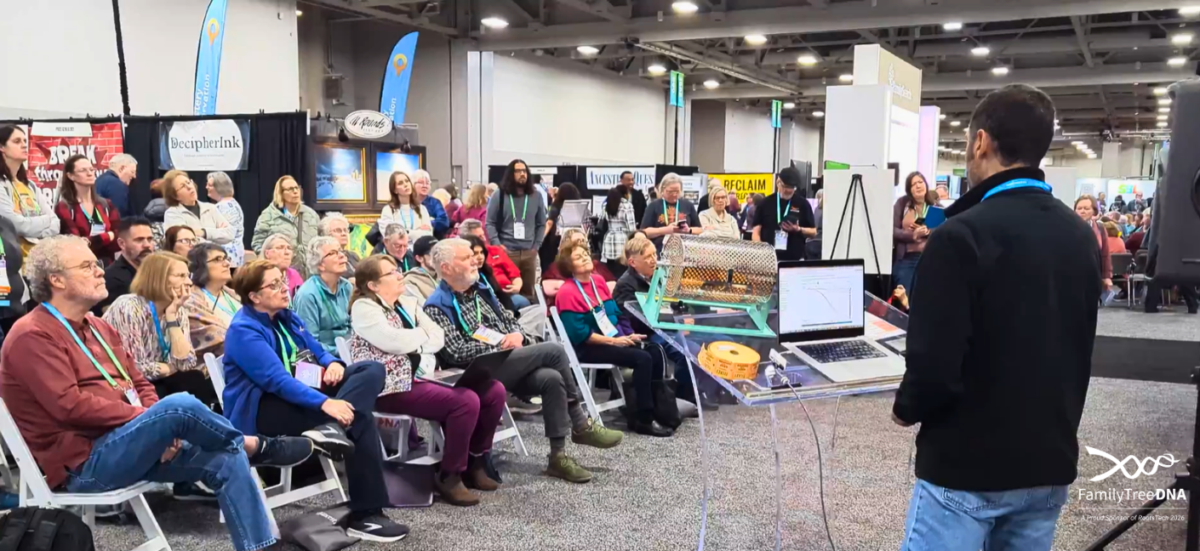
Booth talks run every hour and are approximately 30 minutes long, making them easy to fit into a busy RootsTech schedule. To give attendees flexibility, all booth talks are presented at least twice, with some offered three times throughout the event—so if you miss one session, there’s another chance to catch it.
Each booth talk also comes with a bonus: attendance earns you an entry into one of five raffles, where we give away DNA tests and other FamilyTreeDNA swag. It’s a fun, low-pressure way to learn something new, connect with experts, and maybe even head home with a prize.
The full booth talk schedule will be released closer to RootsTech. Attendees are encouraged to follow FamilyTreeDNA on social media to stay up to date and plan which talks they want to attend.
Meet the Genealogy Experts & Keynote Speakers
One of the most valuable benefits of attending RootsTech 2026 in person is the opportunity to connect with genealogy experts and speakers who are actively working in the field. With thousands of attendees on site, the conference is busy and energetic—but meaningful, real conversations still happen every day.
When Can You Meet the Experts?
Genealogy speakers are often most approachable outside of class time, particularly at their booths or during scheduled activities. Many presenters also attend sessions themselves, learning alongside attendees.
While interactions may be brief due to the size of the event, in-person access allows for conversations that simply aren’t possible in a virtual setting.
Are There Any Q&A Sessions at RootsTech?
Q&A experiences vary by session. Some genealogy classes include time for questions at the end, while others continue the conversation afterward.
For FamilyTreeDNA sessions, attendees who run out of time during class are always welcome to follow up at our booth, where consultations are specifically designed to support deeper discussion.
This combination of structured presentations and informal follow-up creates space for learning that goes beyond a single lecture.
What Can You Learn From The Experts?
What truly sets RootsTech apart is the tone of these interactions. Seeing genealogy experts engage with their own research questions—and hearing them talk openly about challenges and breakthroughs—reminds attendees that genealogy is a team sport.
Many relationships begin with a single question and grow into ongoing conversations, collaborations, and even friendships that continue long after the conference ends.
RootsTech 2026 Keynote Speakers
RootsTech also features inspiring keynote speakers whose stories connect personal history, identity, and discovery in powerful ways.

In 2026, keynote speakers include Marlee Matlin and Tara Roberts, among others. These sessions offer a broader perspective on storytelling, belonging, and the human side of history.
Attendees can learn more about keynote speakers and their sessions on the official RootsTech website.
Explore DNA Testing Companies and Genealogy Technology at RootsTech
As a DNA and genealogy conference, RootsTech 2026 brings together a wide range of DNA testing companies and genealogy technology providers representing nearly every stage of the family history journey. Rather than focusing on a single tool or approach, RootsTech reflects how modern genealogy blends science, technology, storytelling, preservation, and community.
Attendees will encounter organizations working across many areas of genealogy research, including:
- DNA testing and analysis
- family tree builders
- historical records
- photo and document preservation
- storytelling and publishing platforms
- educational programs
- genealogy societies
- bookstores
Much of this discovery happens in the Expo Hall, where attendees can explore tools, ask questions, and see how different parts of the genealogy ecosystem fit together.
In addition to exploring these technologies on the floor, many companies and organizations also support learning through classes or short presentations tied to their tools. These sessions give attendees additional context for how specific genetic genealogy tools and genealogy software tools are used in real research, helping connect what they see in the Expo Hall with how those tools are applied in practice.
What makes this experience especially valuable is the diversity of industries represented in one place. RootsTech brings together:
- long-established genealogy organizations
- newer technology-driven platforms
- academic and professional groups
- community-focused societies.
Whether you’re interested in cutting-edge DNA tools, traditional research support, or creative ways to preserve and share family stories, the range of exhibitors and sessions reflects the many paths people take in genealogy.
For many attendees, seeing this full landscape side by side—through a mix of browsing, demos, and learning opportunities—helps clarify which tools and resources best support their research goals. RootsTech isn’t about finding a single solution; it’s about understanding the breadth of DNA testing companies and genealogy technology available today, and how they can work together to move your research forward.
Relatives at RootsTech: Make Family Connections
One of the most memorable experiences at RootsTech 2026 is “Relatives at RootsTech,” a feature powered by FamilySearch that helps attendees discover relatives who share a common ancestor with them.
How Relatives at RootsTech Works
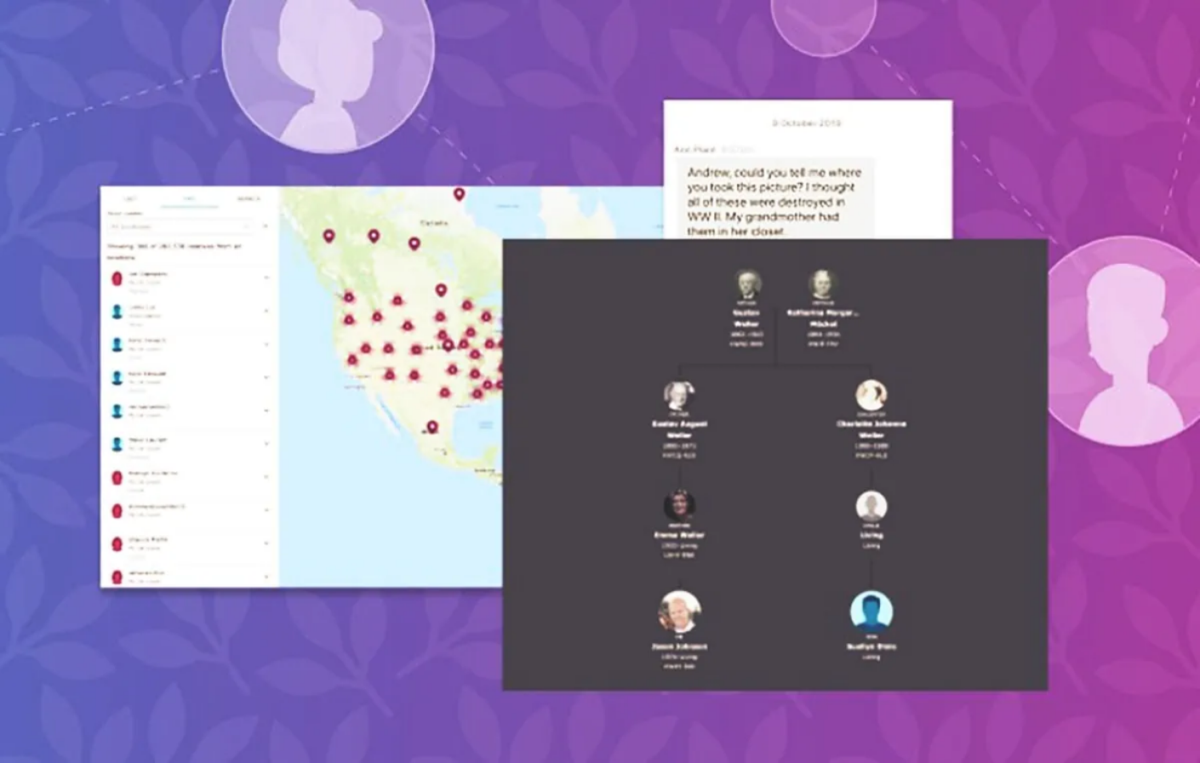
Relatives at RootsTech uses your FamilySearch account and family tree to identify other RootsTech attendees—both in person and around the world—who are connected to you through a shared ancestor.
Unlike FamilySearch’s year-round Relatives Around Me feature, which looks for nearby users within a short distance, Relatives at RootsTech expands the search to everyone registered for the event. For those attending in person, a location toggle makes it easy to see which cousins are also on site.
Participation is optional and requires opting in through the FamilySearch app or online. Once enabled, attendees can view connections, see how they’re related, and message relatives directly. Some people even receive messages from newly discovered cousins before they’ve had a chance to check in themselves.
What to Expect When You Find Relatives at RootsTech
The experience often leads to joyful, surprising moments—quick hellos in hallways, spontaneous conversations, and sometimes the exchange of valuable family information. Connections can range from close relatives, like first cousins or aunts and uncles, to much more distant cousins.
In some cases, newly found relatives arrive ready to share details about a shared ancestor, opening the door to research breakthroughs that might otherwise take years.
FamilySearch typically keeps Relatives at RootsTech available for several weeks before and after the conference, allowing attendees time to update their family trees and continue making connections even after they return home. More information is usually published closer to the event, so it’s a good idea to watch for updates from FamilySearch as RootsTech approaches.
How to Prepare Your Family Tree for Relatives at RootsTech
To get the most out of Relatives at RootsTech, attendees are encouraged to review and update their family tree on FamilySearch ahead of the conference. Adding known ancestors, correcting relationships, and expanding key branches can increase the chances of finding meaningful connections.
Many attendees also continue updating their trees during and after RootsTech, which can reveal new relatives as additional research and discoveries are added.
How Relatives at RootsTech Supports DNA Discoveries
At its core, Relatives at RootsTech brings genealogy full circle. You can learn how to research ancestors, explore records, and understand DNA—but this is where those efforts turn into real human connections. It’s also where many attendees realize they’ve found the right person for the next step in their research.
For genetic genealogists, these moments can be especially powerful. You might discover a cousin who descends from a specific paternal or maternal line you’ve been trying to test, or connect with someone who holds the missing piece needed to confirm a theory.
In some cases, that connection leads to immediate collaboration—comparing research, sharing documents, or discussing DNA testing that could unlock answers for an entire branch of the family.
Because these connections happen in person, the path from discovery to action is often seamless. Attendees regularly move from:
- Finding a new relative through Relatives at RootsTech
- Continuing the conversation face to face
- Taking the next research step together.
It’s a reminder that while genealogy tools and DNA tests provide the data, it’s people—real relatives, standing in the same room—who make those discoveries possible.
Who Should Attend RootsTech? (Including First-Time Attendees)
RootsTech 2026 is designed for everyone—from first-time family historians to experienced researchers who have been building trees for decades. Attendees include:
- beginners just starting their journey
- hobbyists exploring family stories
- advanced genealogists
- DNA enthusiasts
- families attending together
- researchers of all ages
On Saturday, Family Discovery Day makes the conference especially welcoming for families and younger attendees.
What First-Time Attendees Can Expect
For first-time attendees, the most common concern is feeling overwhelmed. With so much happening at once, it’s normal to wonder what to expect—especially if you’ve only attended virtually or are coming in person for a single class. That uncertainty is shared by many, and the good news is that RootsTech is built with that in mind. Attendees are friendly, welcoming, and more than willing to help answer questions or point someone in the right direction.
Many people arrive a day early to get their bearings, visit the nearby FamilySearch Library, and ease into the experience before the conference officially begins.
Once the event starts, clear signage, maps, and a structured schedule help everything fall into place. After you walk through the doors and head to your first class, the rhythm of the conference becomes easy to follow.
RootsTech isn’t just for people focused on DNA or advanced research. This family history conference supports every research style—from traditional records-based genealogy to storytelling, photo preservation, and genetic genealogy. Whether you’re building your first tree or tackling a long-standing brick wall, the genealogy conference experience is flexible enough to meet you where you are.
Attend in the Way That Works for You
You don’t need to be outgoing or extroverted to enjoy RootsTech. Classes are lecture-style, so participation is always optional. Some attendees prefer to quietly attend sessions and take notes, while others strike up conversations between classes or connect with fellow researchers who share similar interests. Both approaches are equally valid—and many people naturally find a balance between the two.
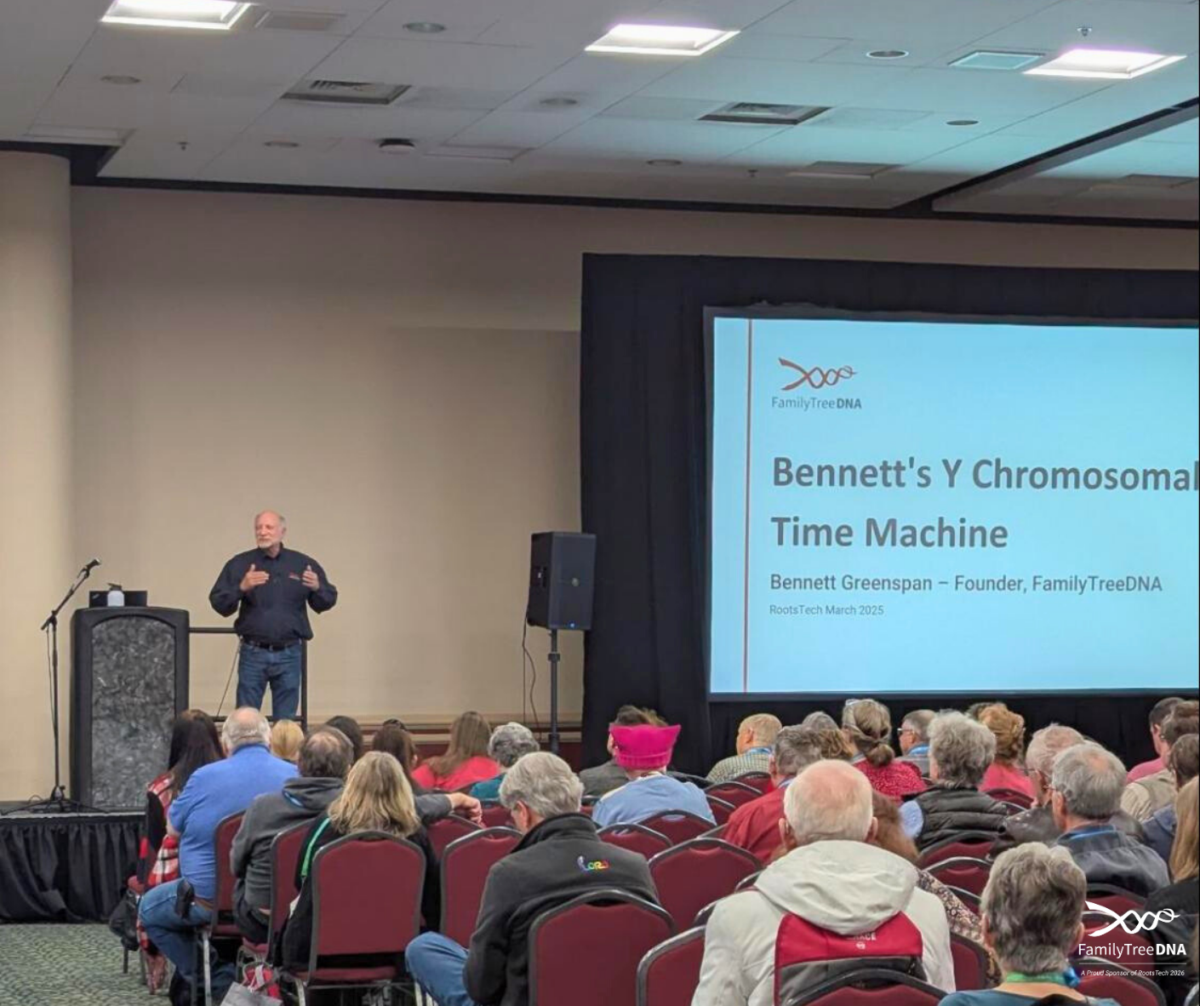
While everyone benefits from attending in person, those working through brick walls often find the experience especially valuable. RootsTech brings together the tools, processes, and people that help move stalled research forward, all in one place.
If you’re worried you don’t belong at a family history conference like RootsTech, don’t be. There truly is something for everyone, and the event is intentionally structured to help every attendee—no matter their experience level—get the most out of their time.
Planning Your RootsTech 2026 Experience
Planning your experience at RootsTech 2026 doesn’t mean locking yourself into a minute-by-minute itinerary. The goal is to have a plan—and the flexibility to follow unexpected discoveries along the way. Here’s how most attendees strike that balance.
When & Where RootsTech 2026 takes place
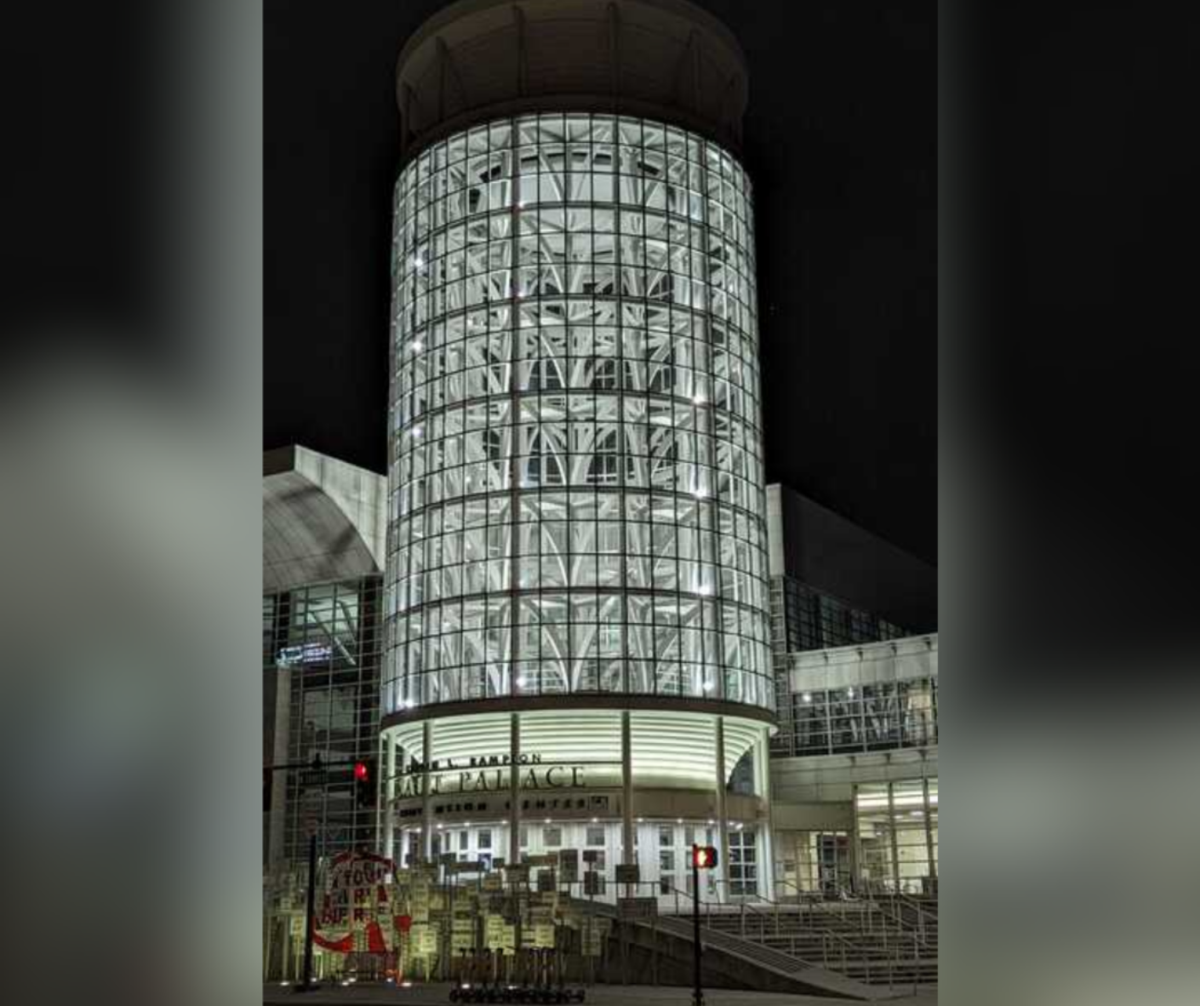
RootsTech 2026 takes place Thursday, March 5 through Saturday, March 7, 2026, in Salt Lake City, with in-person events held at the Salt Palace Convention Center.
The Virtual Expo Hall opens on Thursday at 9:00 a.m. MST and closes on Saturday at 3:00 p.m. MST, allowing virtual attendees to explore alongside the in-person event.
RootsTech Schedule: How the Days Flow
RootsTech is designed to keep you moving without overwhelming you. Each day follows a predictable rhythm that makes it easy to plan—and adjust as needed.
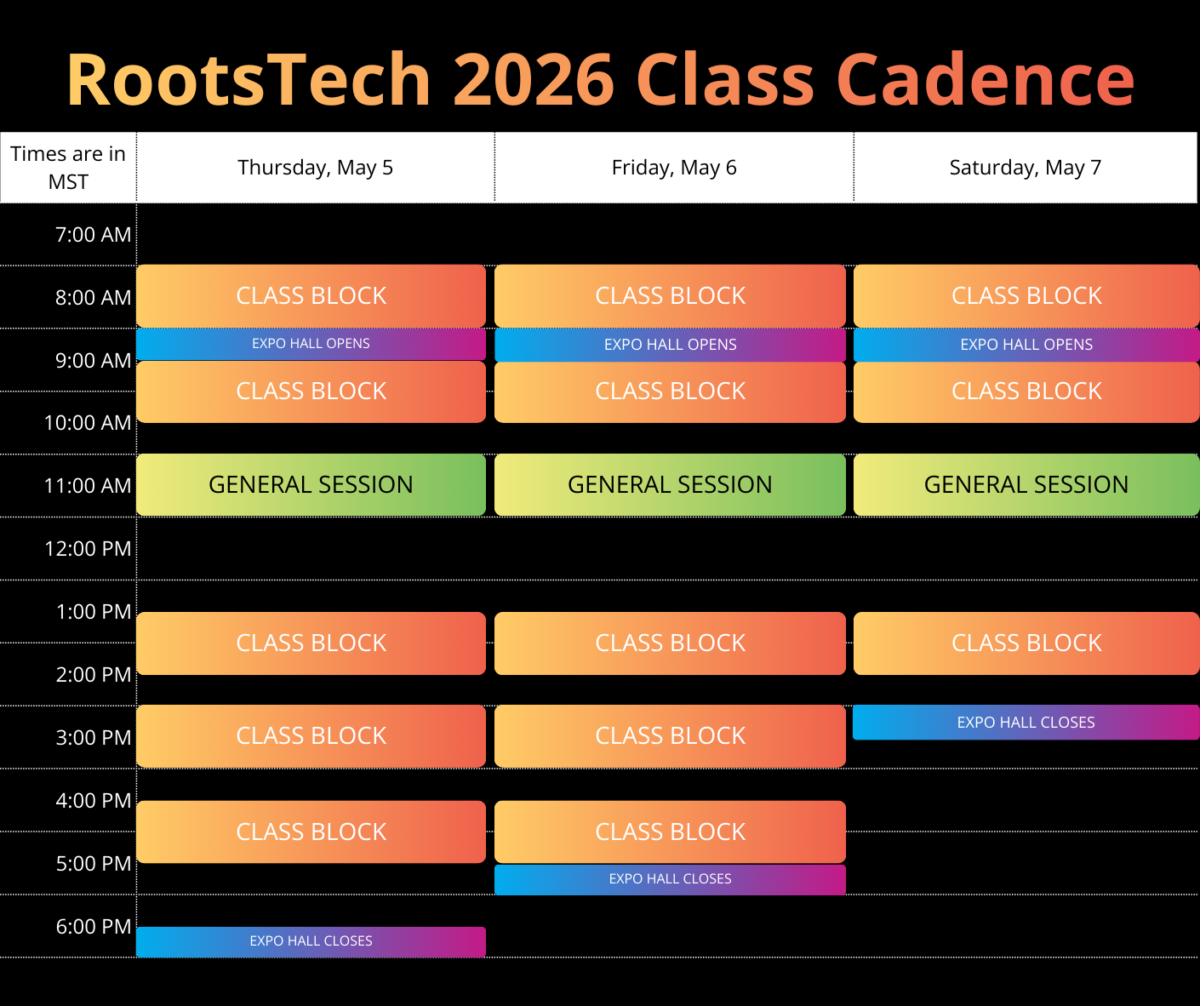
Between sessions, built-in breaks give attendees time to walk the floor, attend booth talks, grab food, or rest. Many people start by scanning the RootsTech class catalog, making a list of sessions they want to attend, and then prioritizing classes that are not livestreamed, since recorded sessions can be watched later.
(The schedule continues to update as the event approaches, so it’s worth checking back.)
How to Register
RootsTech registration is quick and ensures your spot at the conference. While you can explore classes and speakers before registering, registration unlocks full planning tools and event features—making it easier to organize your experience ahead of time.
What to Expect in Salt Lake City

A little local knowledge makes the experience smoother—here’s what attendees often plan for:
Where to Eat in Salt Lake City
Food is available inside the Salt Palace, but many attendees also walk to nearby dining options at City Creek Center. Bringing snacks is highly recommended, especially on busy days with back-to-back sessions.
Hotels Near the Salt Palace
Hotels near the convention center book quickly. The closest option is the Salt Lake Marriott Downtown at City Creek, with many additional hotels within walking distance or a short rideshare away.
Transportation Available
Downtown Salt Lake City is walkable and conference-friendly. Rideshare services are widely available, and a light rail line runs one block from the convention center, making it easy to get around without a car.
What to Pack for RootsTech 2026
Comfort is key. Attendees recommend:
- Comfortable walking shoes (there are hills and elevation changes)
- A light coat or layers
- Lip balm, lotion, and eye drops for dry mountain air
- A refillable water bottle
- Snacks for long days
You don’t need to plan every minute of RootsTech 2026. Start with the schedule, choose a few priority sessions, and leave space for exploration. Some of the best moments happen when you follow a new interest, discover a tool you didn’t expect, or stop to talk with someone you just met.
Register for RootsTech 2026
At its heart, RootsTech is about togetherness. And if there’s one thing genealogy teaches us, it’s that this work isn’t meant to be done alone.
The benefits of attending RootsTech go far beyond classes and tools. Yes, you’ll discover new genealogy technology, DNA testing options, and research strategies. But more importantly, you’ll find people—the ones who help you think differently, share a record you didn’t know existed, or walk through a brick wall with you.
The in-person experience is where that discovery really clicks. Conversations spill out of classrooms. Questions turn into collaboration. A casual chat in the Expo Hall becomes the moment you realize the missing piece of your research was never just a document—it was a connection.
And that’s what makes RootsTech special. It’s community and discovery happening at the same time. It’s learning from experts, testing new tools, meeting relatives, and feeling that spark of momentum again—sometimes all in the same hour.
If you’ve been researching your family history on your own, RootsTech 2026 is where you find out you’re not so alone.
