Follow along as Katy Rowe-Schurwanz shares how she combines DNA testing and historical records to build her family tree and uncover meaningful, evidence-backed connections.
Genetic genealogy isn’t just about science—it’s about stories. We sat down with Katy Rowe-Schurwanz, Product Manager for FamilyTreeDNA, to learn how DNA has shaped their family tree and what advice they have for others exploring their roots.
How DNA Shaped My Family Tree
A family tree can take many forms depending on how you build it. For Katy, DNA testing has helped shape multiple versions of her family tree—each one serving a different purpose in her research.
What does your own family tree look like?
It depends on which tree we’re talking about; I’ve got several different versions!
My first instinct was to say “messy,” and that’s true for the one I use to link my FamilyTreeDNA matches because I have to build out lots of lines to do that.
I also have some hypothetical trees when I’m trying to confirm or disprove a connection.
Then I have my tree on WikiTree which is just my confirmed ancestors (and their confirmed siblings).
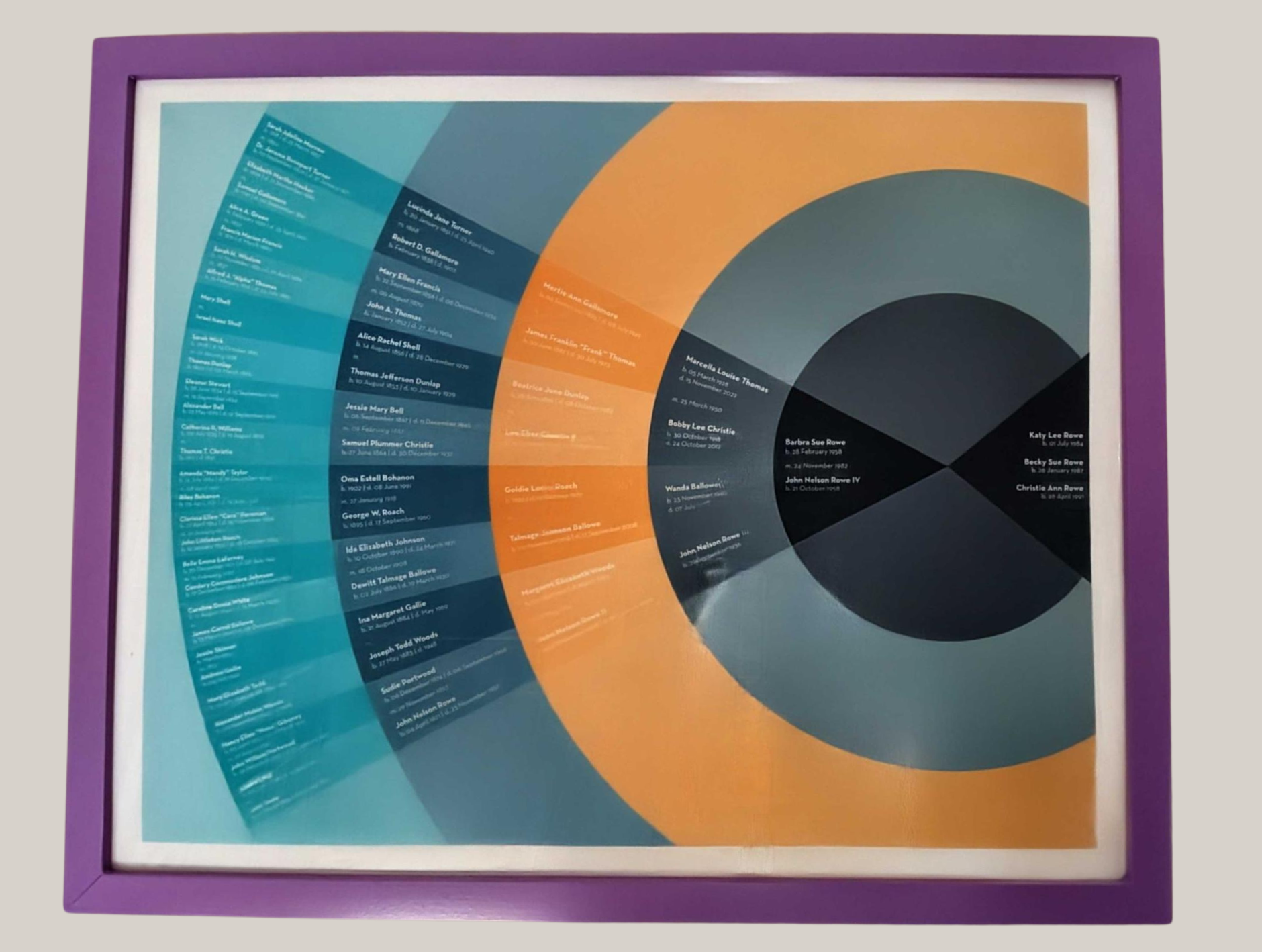
I have a smaller one up on my wall.
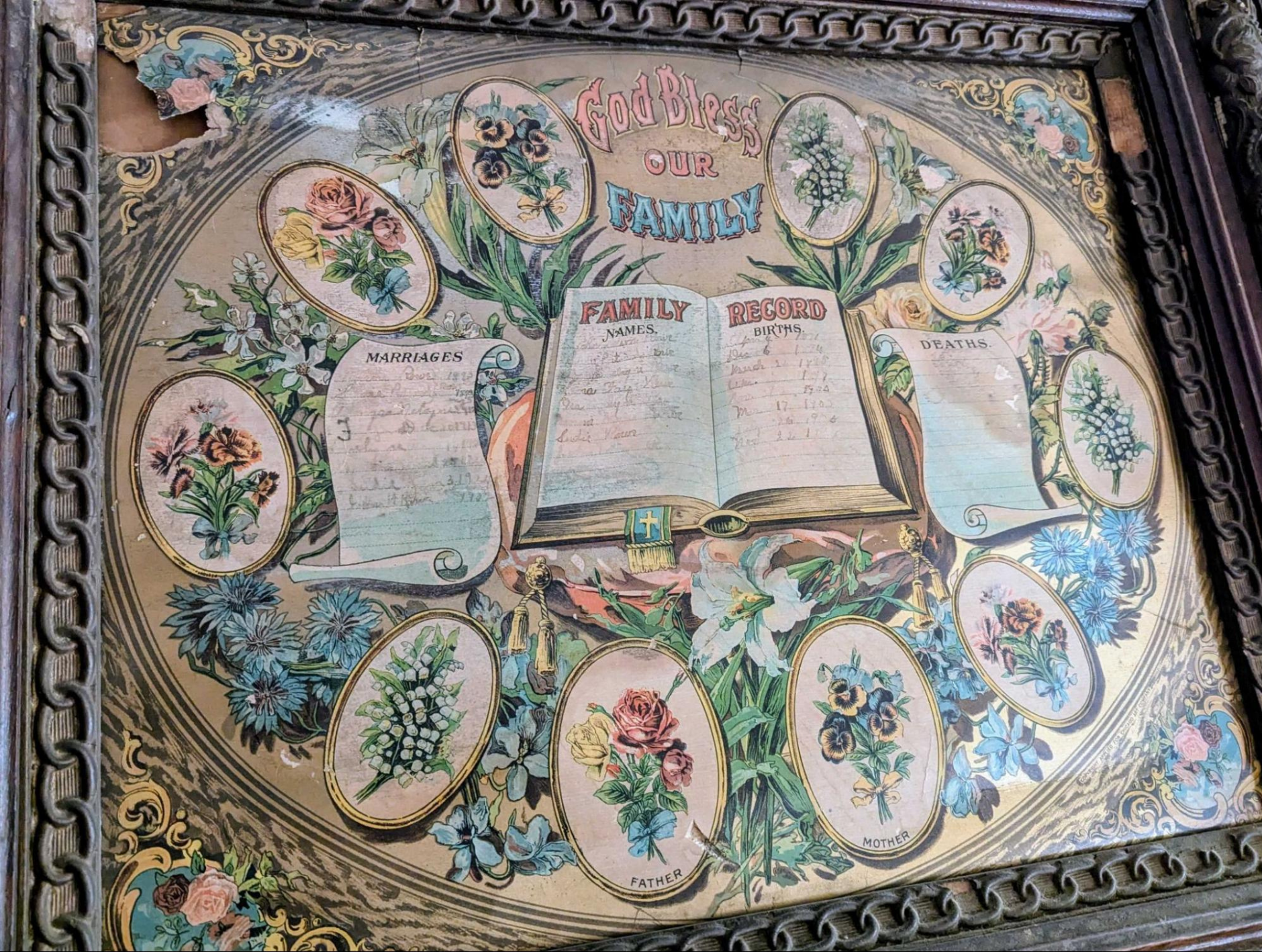
And my parents have this one that belonged to my second great grandparents on their wall.
How did DNA testing influence the way you built or expanded it?
DNA testing definitely helped me expand my tree! It also helped me prune branches that turned out to be incorrect. Through determining how I connect with my DNA matches, combined with records, I’m able to confirm connections to ancestors, and in some cases, disprove them.
Family Tree Discoveries and Surprising DNA Results
A family tree isn’t just a list of ancestors—it’s full of stories. Through DNA testing and research, Katy has uncovered surprising details that make her family tree even more meaningful.
Who is the most interesting ancestor you’ve uncovered in your family tree?
I don’t know about who the most interesting ancestor overall would be, but I’ve uncovered several interesting stories.
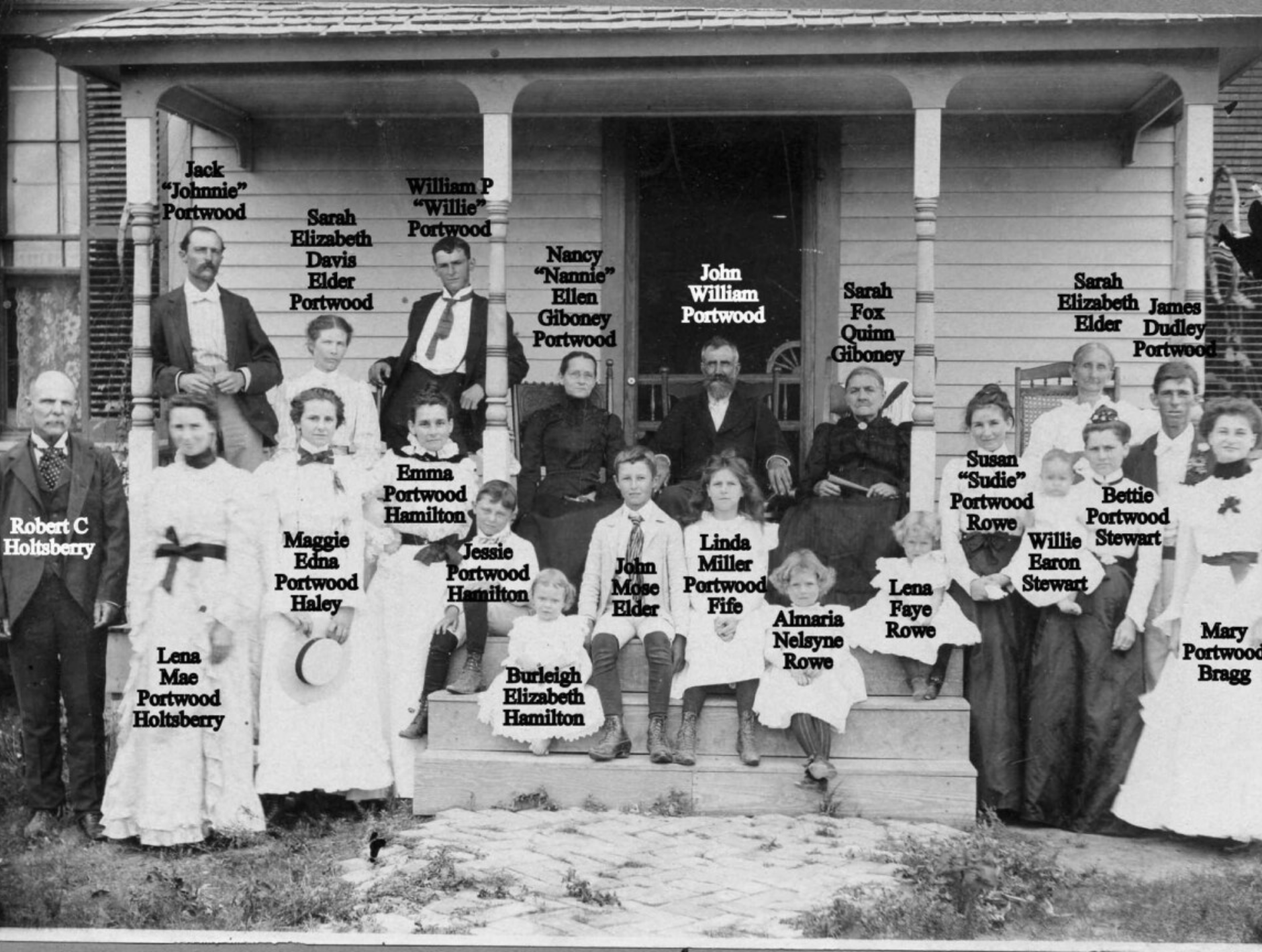
My 6th great grandfather, Page Portwood, Sr, was one of the original settlers at Fort Boonesborough, arriving 19 days after Daniel Boone.
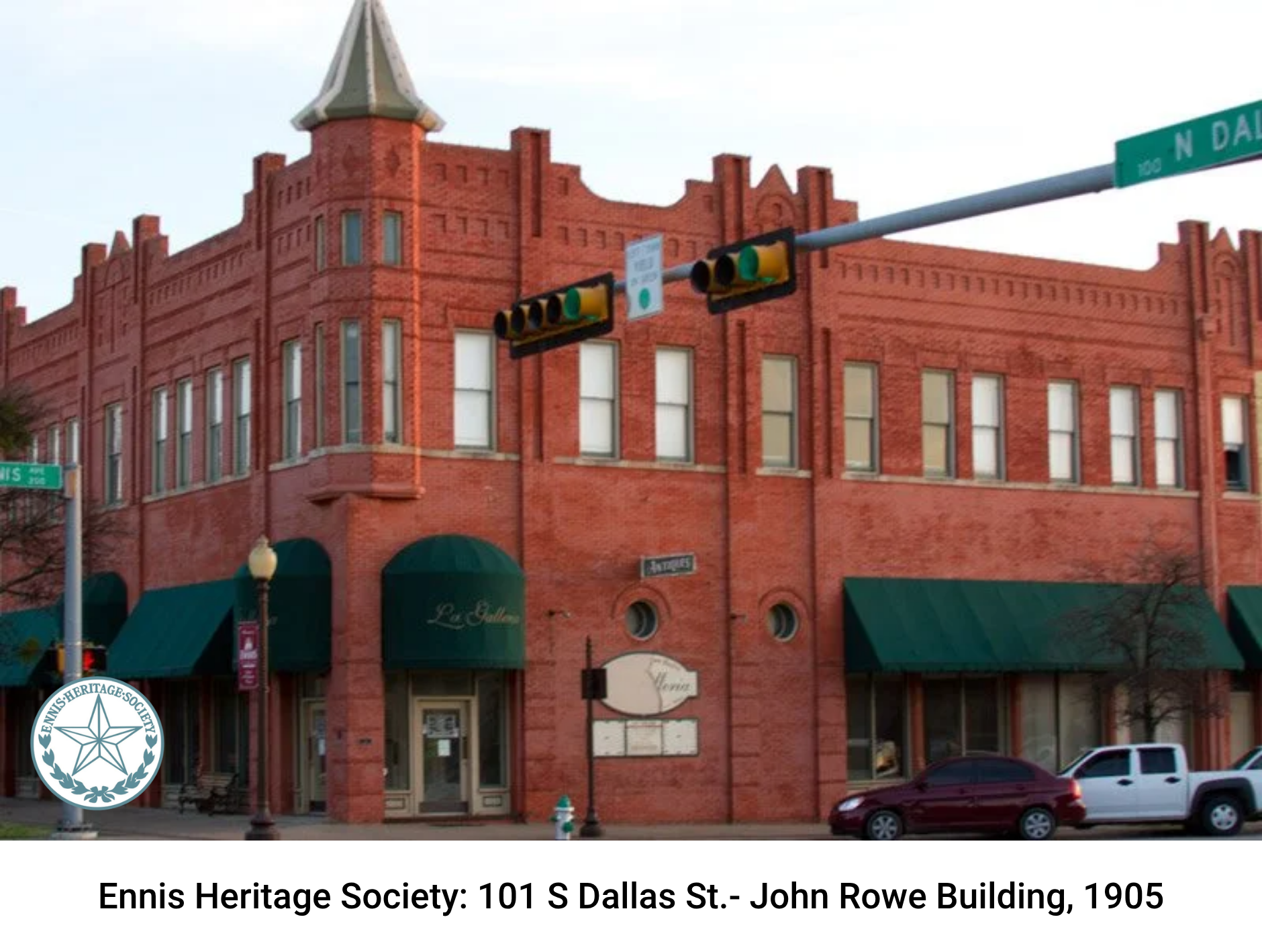
There’s a building named after and built for my 2nd great grandfather John Nelson Rowe, in Ennis, Texas. He commissioned the building, which, when completed in 1905 housed his dry-goods store. John met my 2nd great grandmother Sudie Portwood when she stopped in the store to purchase sewing needles.
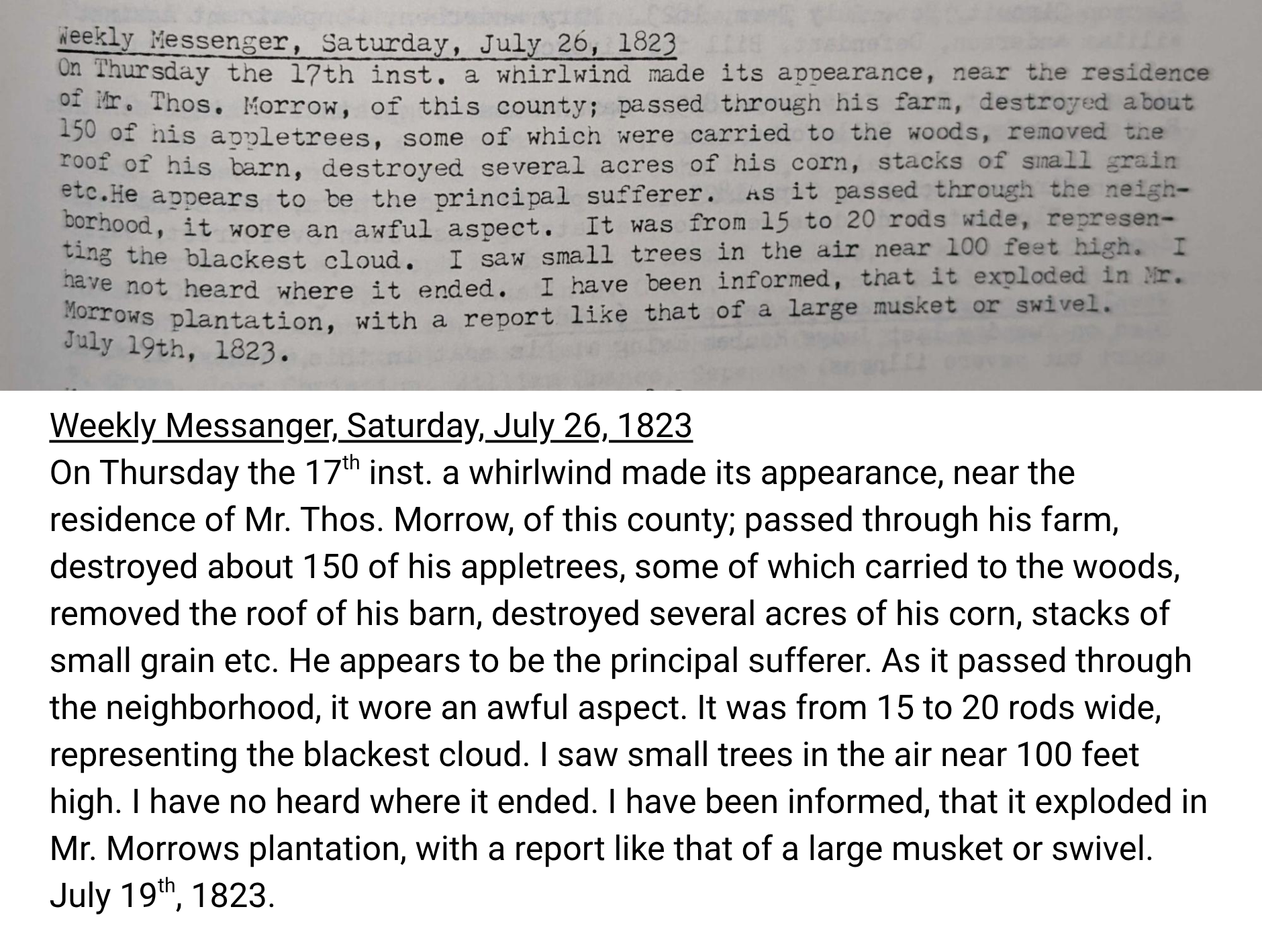
I found a news report of a tornado hitting my 5th great grandfather Thomas Morrow’s farm and destroying some apple trees and corn. His farm also was down the road from where Andrew Jackson once participated in a duel. Thomas and his wife Jeanette McCarter were also one of the founding families of Logan County, Kentucky.
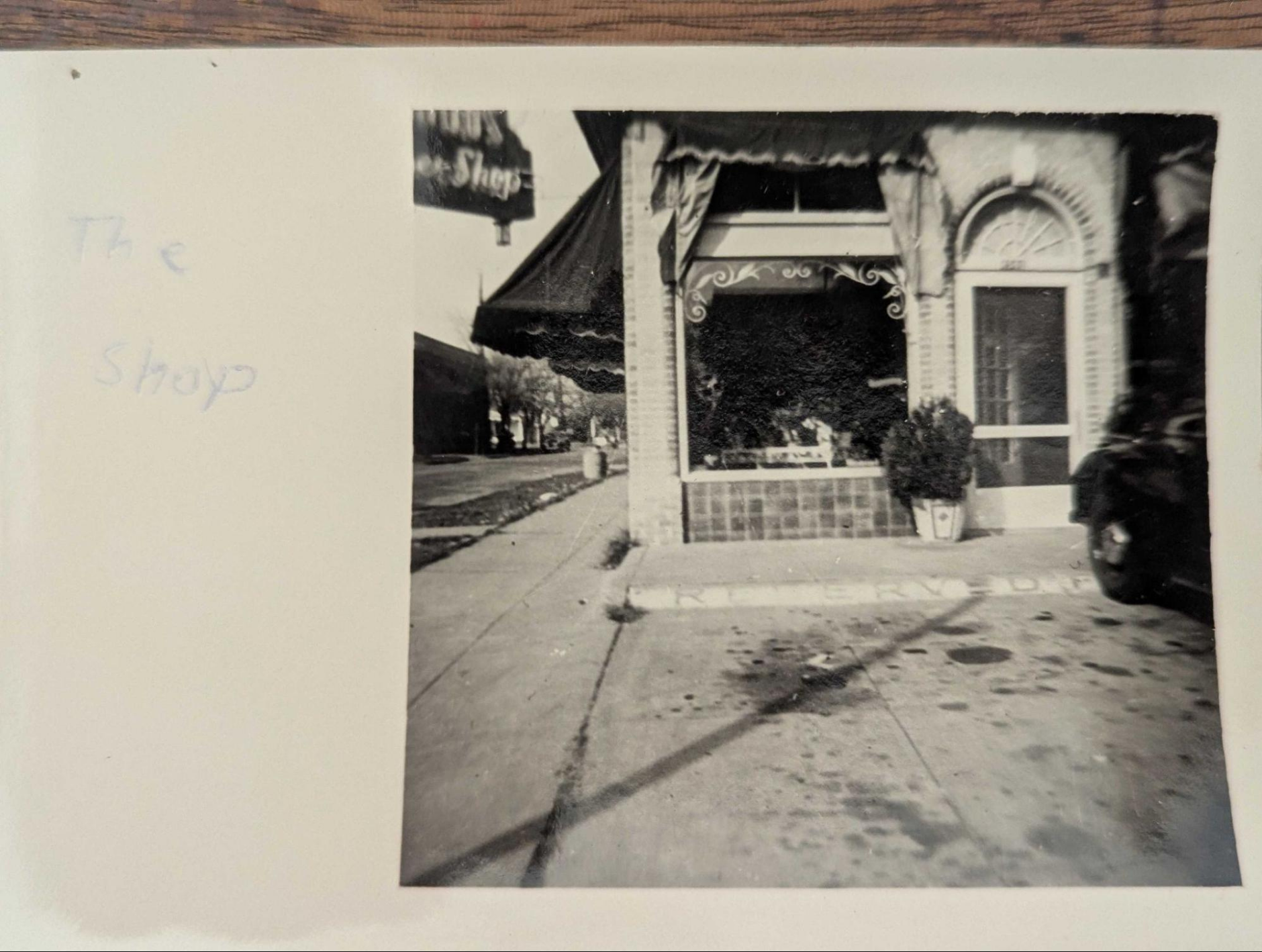
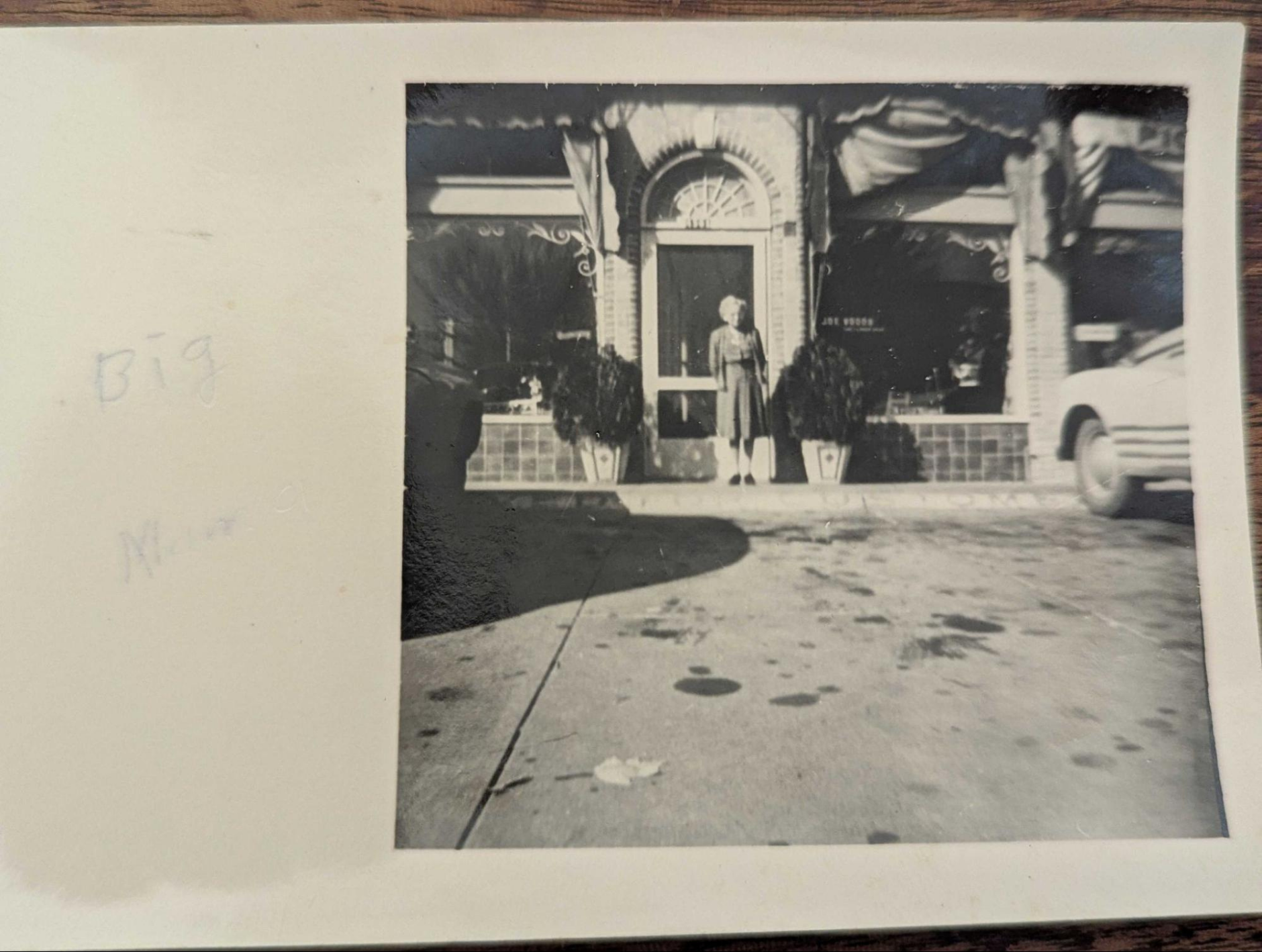
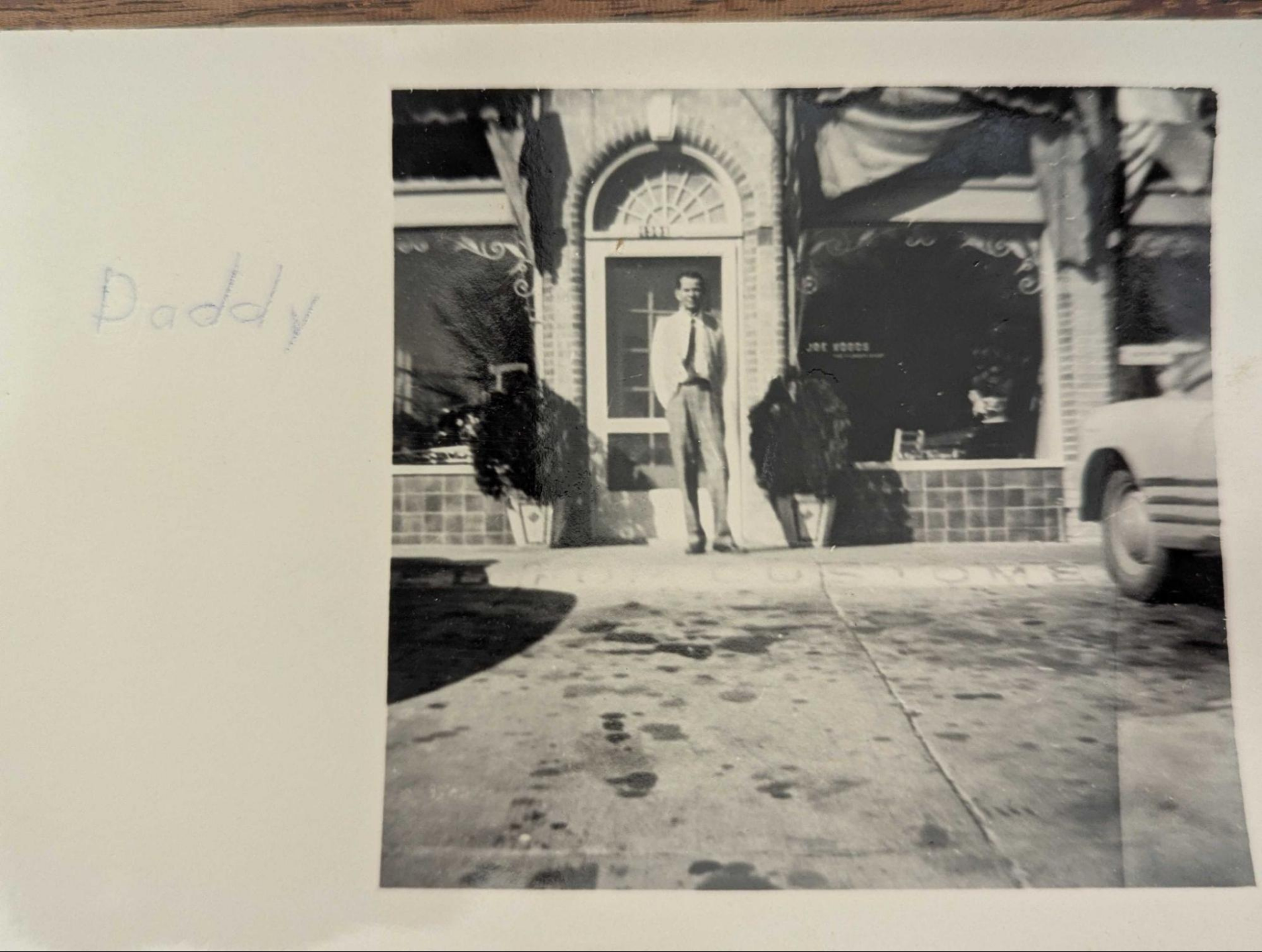
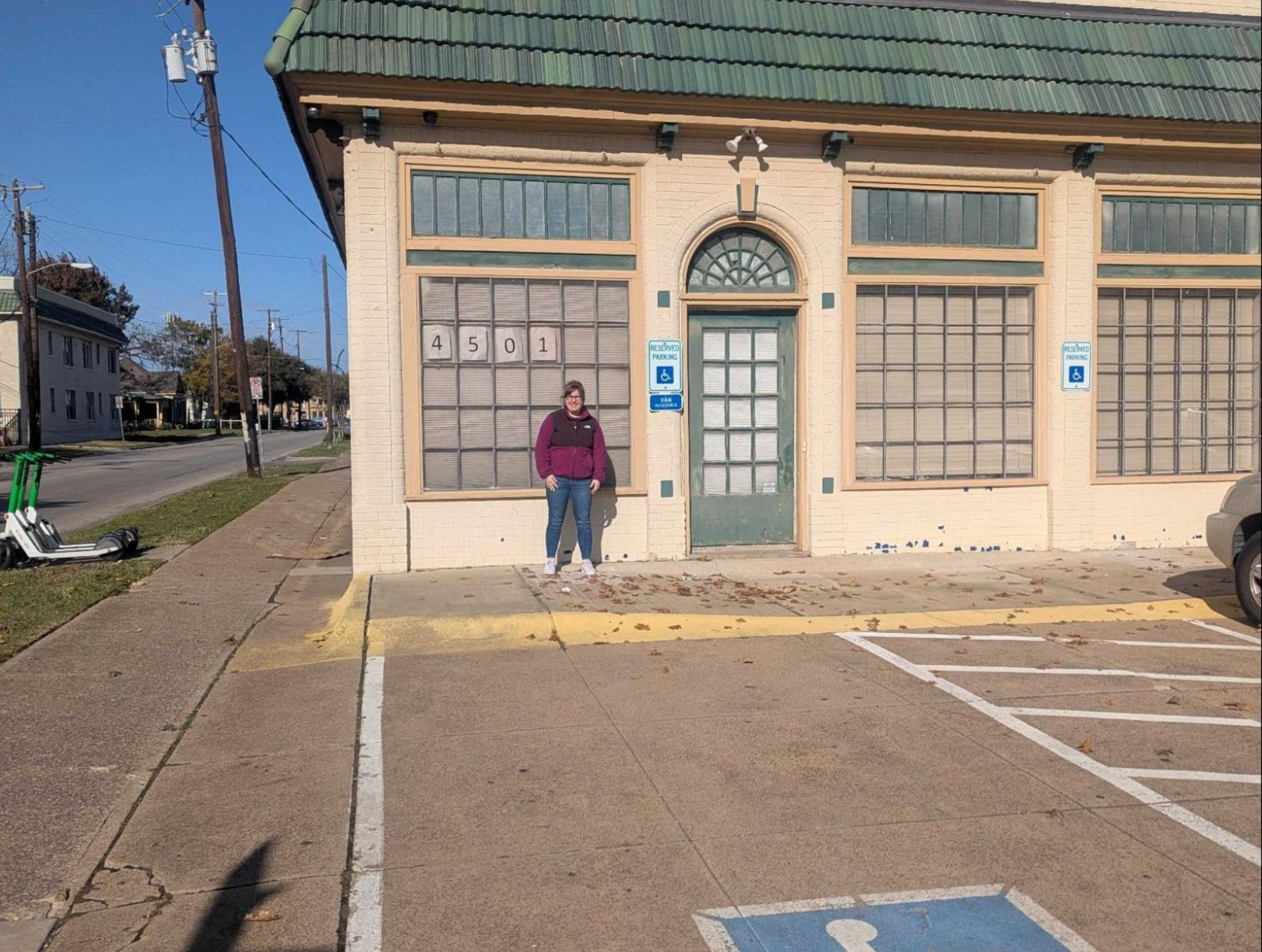
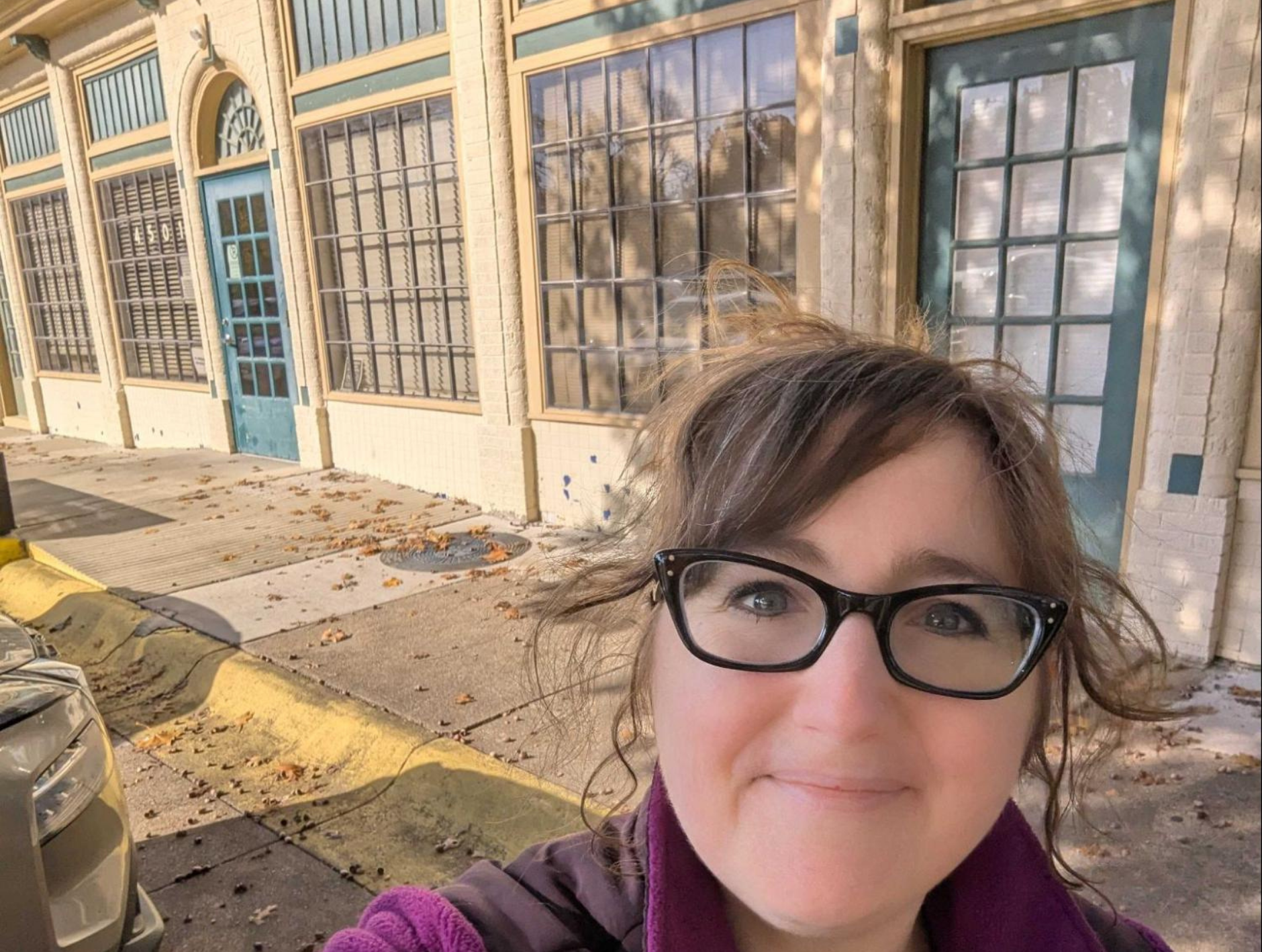
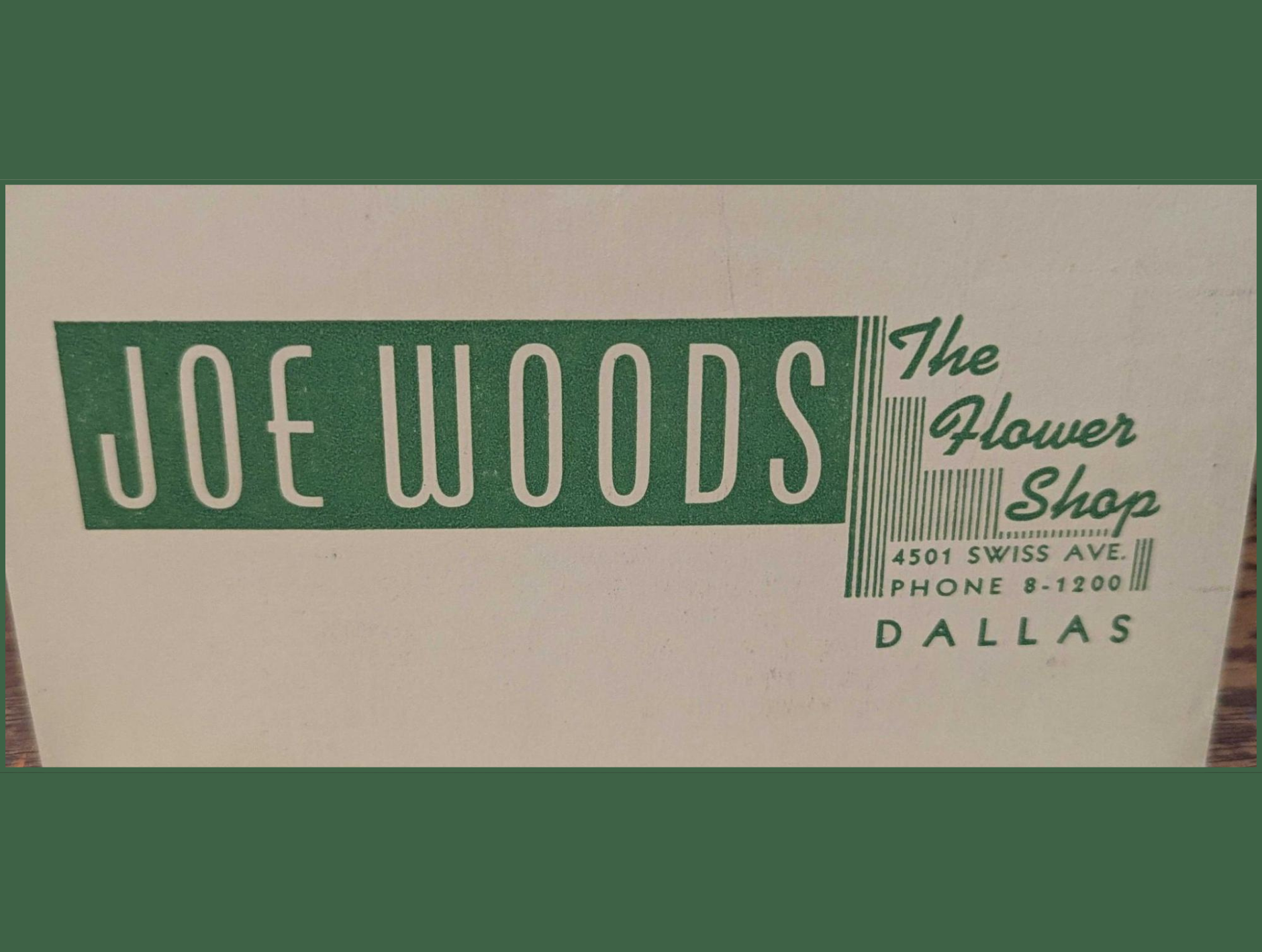
My 2nd great grandfather, Joseph Todd Woods, had a flower shop on Swiss Avenue in Dallas, and their house was across the street. Unfortunately, that house has been torn down and I haven’t been able to find any photos of it yet, but the building where the flower shop was still stands! I was able to get some pictures when visiting my parents.
One of the coolest things I found amongst old photos and deeds at my parents’ house was a photo taken of John F. Kennedy’s motorcade going through downtown Dallas (before they reached the Grassy Knoll). I’m not sure which ancestor snapped this photo, but it was with things from my dad’s side.
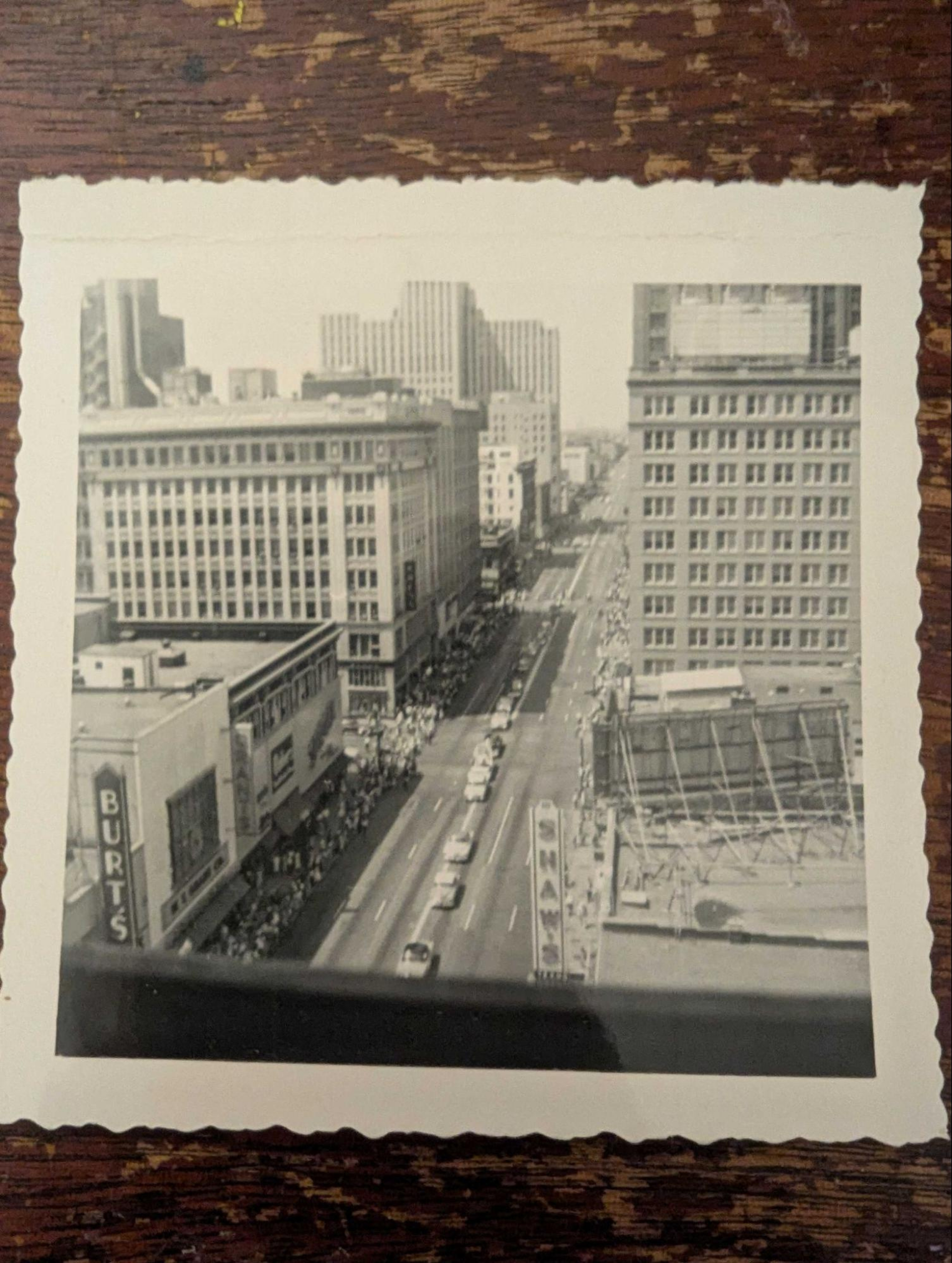
I’m still researching, though, and I hope to continue finding interesting stories about my ancestors.
What’s the biggest surprise DNA revealed about your family tree?
I think the biggest surprise I found is how so many of my ancestral lines intermarried with each other. Unfortunately, this makes it more difficult (but not impossible!) to confirm certain ancestors with DNA.
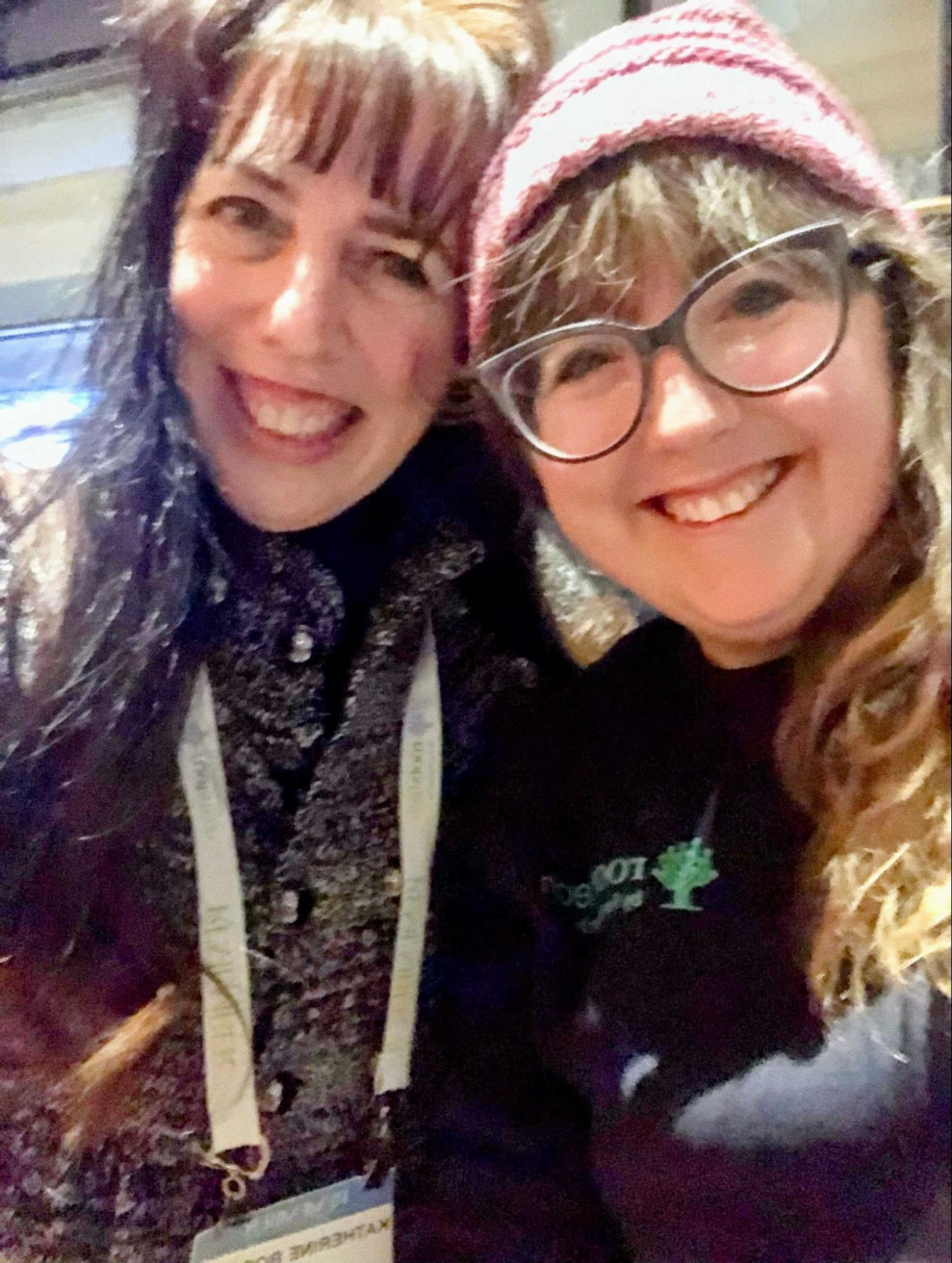
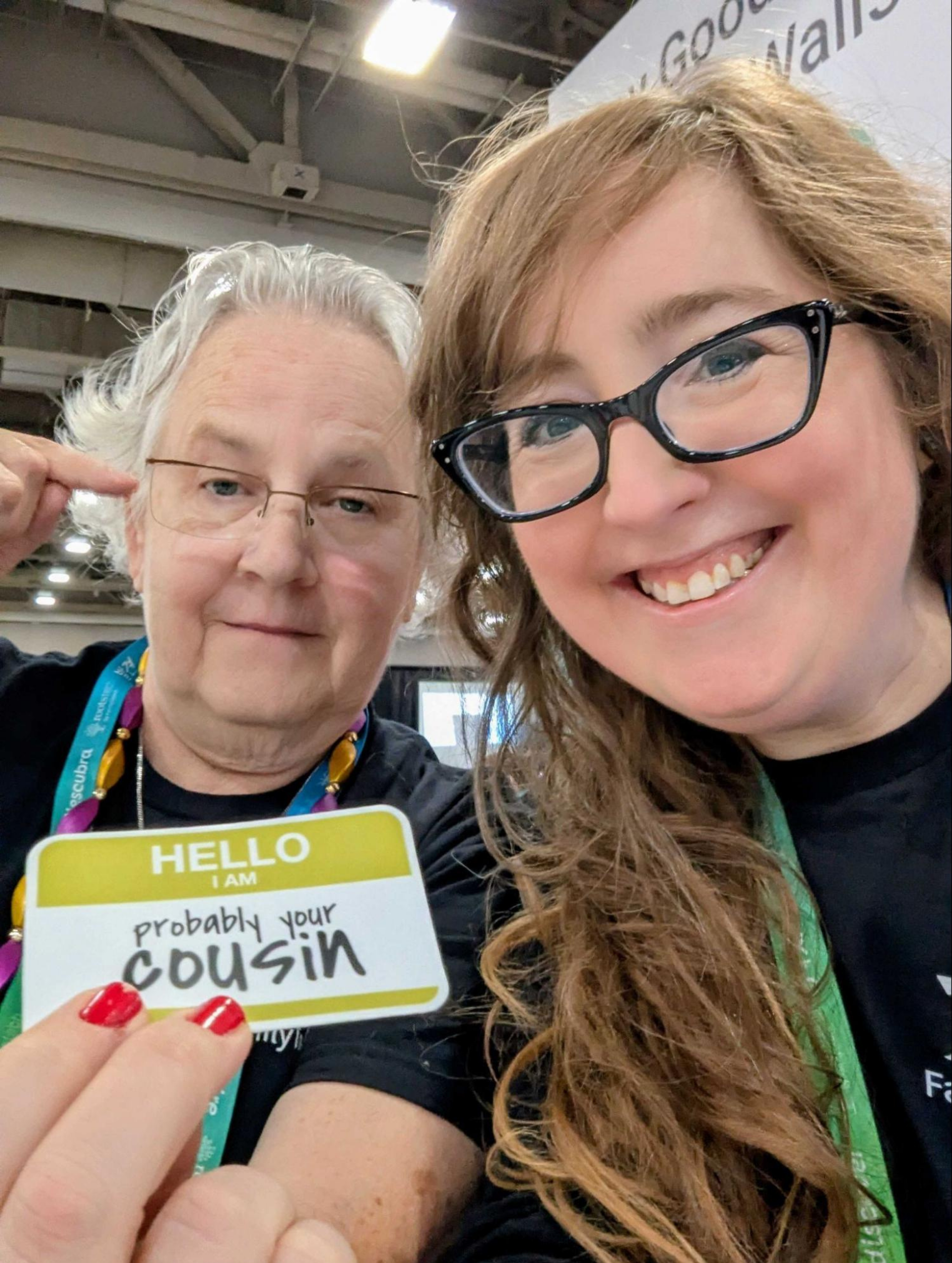
Another surprise was how many of my coworkers and Group Project Administrators are my (very distant) cousins! I love using the Relatives Around Me feature on the FamilySearch app at genealogy conferences; it turns conferences into a (very distant) family reunion.
Was there a “brick wall” in your family tree that DNA helped you break through?
Yes! I’ve talked a lot about how autosomal DNA helped me find the father and siblings of my Earliest Known Maternal Ancestor, Sarah Adaline Morrow, and through mtDNA, even though I haven’t discovered her mother yet, I was able to trace their origin back to Islandmagee in Northern Ireland.
Building a Strong Family Tree With DNA and Records
Building a strong family tree takes more than just names and dates. By combining DNA evidence with historical records, Katy is able to confirm connections and create a more reliable family tree.
How do you combine DNA evidence with historical records in your family tree?
I believe that you really need both DNA evidence and historical records to confirm a connection.
What challenges do you face when verifying connections in your tree?
There are so many challenges you can run into, but I don’t think it would be as fun if there weren’t. It’s difficult to verify a DNA connection when matches don’t share genealogical information: family trees, ancestral surnames, earliest known ancestors and locations. You can get around it sometimes, but it’s more work.
Another challenge for me personally is trying to untangle the interconnected lines in my family tree. When the families all intermarried, it’s harder to attribute specific segments to specific ancestors. It’s like you’re trying to piece together 8 different puzzles whose pieces all came in one box and some of the pieces could fit in more than one place.
Which DNA tools do you find most helpful for mapping your family tree?
When I’m confirming ancestors on my tree with DNA matches, the most helpful tools for me for autosomal DNA are FamilyTreeDNA’s In Common With search, Chromosome Browser and Matrix, as well as clustering and segment painting tools like the ones found at Genetic Affairs and DNA Painter.
I combine those tools with my matches’ shared genealogical information (family trees, ancestral surnames, and earliest known ancestors and locations).
The Group Projects and Advanced Matches report are also super helpful. I join my kits to as many applicable surname Group Projects for my ancestral surnames and Geographical Projects for areas my ancestors are from. With Advanced Matches, I can then filter my Family Finder Matches by Group Project. This provides an extra clue to help me figure out our connection.
And for Y-DNA and mtDNA, the Match Time Trees in Discover are my number one genealogy tool (with Group Projects being a close second).
Expert Advice for Building Your Family Tree With DNA
Where should you start when building a family tree with DNA? For Katy, it comes down to learning the tools, staying organized, and building on reliable evidence.
What advice would you give someone just starting their family tree with DNA?
First, take some time to learn about what tools are available and how to use them. FamilyTreeDNA provides great resources on our blog, YouTube Channel, and in our virtual booth at RootsTech (although I’m biased since I wrote and created a lot of those). You can also find helpful resources linked in the Your DNA Guide button on your FamilyTreeDNA kit dashboard, on DNAeXplained, and in Roberta Estes’ book The Complete Guide to FamilyTreeDNA.
Second, keep really detailed notes about which matches you’ve investigated and where you investigated.
And third, don’t just trust that your match’s tree has the records to back it up; find them yourself if you don’t see them.
What common misconceptions about family trees and DNA testing would you clear up?
Myth: If your match hasn’t shared a tree, ignore them.
Just because someone hasn’t shared their tree on FamilyTreeDNA doesn’t mean they don’t have one on another site! Or that their close relatives have also tested, match you, and do have a tree.
I would still say to start with the matches that have shared trees, but don’t give up on the ones that don’t. You can also contact your matches and ask if they have a tree or if there is any information about their ancestors that they can share.
Myth: If you already have a solid, verified family tree, you don’t need DNA.
First, no one wants to think it, but just because you have a verified paper trail with records, it doesn’t mean it’s 100% correct. Non-paternal events happen. DNA can discover them and help you correct your tree.
Second, the paper trail eventually dries up. Through DNA matching, you can find others who might have access to records that aren’t publicly available (like family Bibles that have been passed down) or that aren’t online. Those sources can help you add new ancestors to your tree or add more confirmation to the ones that are already there.
Third, you can learn more about your ancient ancestors, the ones who existed prior to genealogical records. Even if that’s not interesting to you, it may be to a descendant someday.
Fourth, it’s a legacy and a genealogical record you can pass down to your descendants or to other branches of your family. I was lucky to test my grandmother before she passed away and my parents who are still living. I wish I knew DNA testing existed before my grandfather passed and I wish it existed decades sooner so my great grandparents and 2nd great grandparents could have tested too.
How do you make sure your family tree research stays reliable?
Make sure you’ve got the records to back up your tree. It’s exciting when you potentially find a new ancestor, but it’s much more difficult to have to come back later and prune that branch because you didn’t check the records.
And whenever possible, make sure the DNA backs it up.
The Future of Family Trees and Genetic Genealogy
A family tree is always growing, especially as new tools and technology become available. With advancements in genetic genealogy, Katy sees the future of family tree research becoming even more detailed and accessible.
If you could go back, what advice would you give yourself when you started your family tree?
Take better notes about where I looked for records and didn’t find them. While new records are digitized and added all the time, it would save me a lot of time if I already knew where I searched and when.
How do you see genetic genealogy changing the way people build family trees in the future?
We’ve already seen DNA evidence become part of how you confirm your paper trail. I think it will get a lot easier to build and expand your tree as more people test and share their family trees, and as more records are digitized.
Since genetic genealogy started in 2000, we’ve also seen improvements in testing and technology that allow us to confirm more information and further back on our family trees. The technology will continue to advance and we’re going to be able to do amazing things with it.
Closing Thoughts
Your family tree has more branches than you might realize. Start uncovering them with FamilyTreeDNA testing and see where DNA can take your story.
