By: Katy Rowe-Schurwanz
Explore the Autosomal DNA Series
Start with the basics, then continue through the series to learn how autosomal DNA works, what your results mean, and how to use them in genealogy.
- What Is Autosomal DNA?
- How Autosomal DNA Testing Works (current article)
- How to Interpret DNA Matches
- Understanding DNA Ethnicity and Origin Results
Learn how autosomal DNA testing works, including the full process from DNA collection to matching and ancestry analysis.
Autosomal DNA testing is one of the most popular ways to explore your family history—but how does autosomal DNA testing work? From the moment you collect your sample to when your results are ready, the autosomal DNA testing process involves several steps designed to identify genetic matches and estimate your ancestral origins.
How Does Autosomal DNA Testing Work?
Autosomal DNA testing works by analyzing specific regions of your DNA to identify shared genetic segments with other testers. During the autosomal DNA testing process, your DNA is collected, sequenced, and compared to a database to find matches and estimate your ancestral origins.
How You Inherit Autosomal DNA From Both Parents
Autosomal DNA testing can identify relatives from both your maternal and paternal lines because you inherit DNA from each parent. However, the way this DNA is passed down affects how your results appear.
During inheritance, autosomal DNA goes through random recombination, meaning the DNA you receive is a mixed and uneven combination of what your parents inherited. You may receive more DNA from some ancestors and less from others.
This variation is why autosomal DNA testing results can differ between siblings and why not all relatives will appear as matches, even if they share a common ancestor.
Step-by-Step: The Autosomal DNA Testing Process
The autosomal DNA testing process includes several key steps, from collecting your sample to analyzing your DNA for matches and ancestry results. Each stage of autosomal DNA testing is designed to ensure accurate and meaningful insights for genealogical research.
Sample Collection for Autosomal DNA Testing
All of FamilyTreeDNA’s tests including the Family Finder are run off of samples collected with buccal swab kits. The FamilyTreeDNA collection kit contains two buccal swabs.
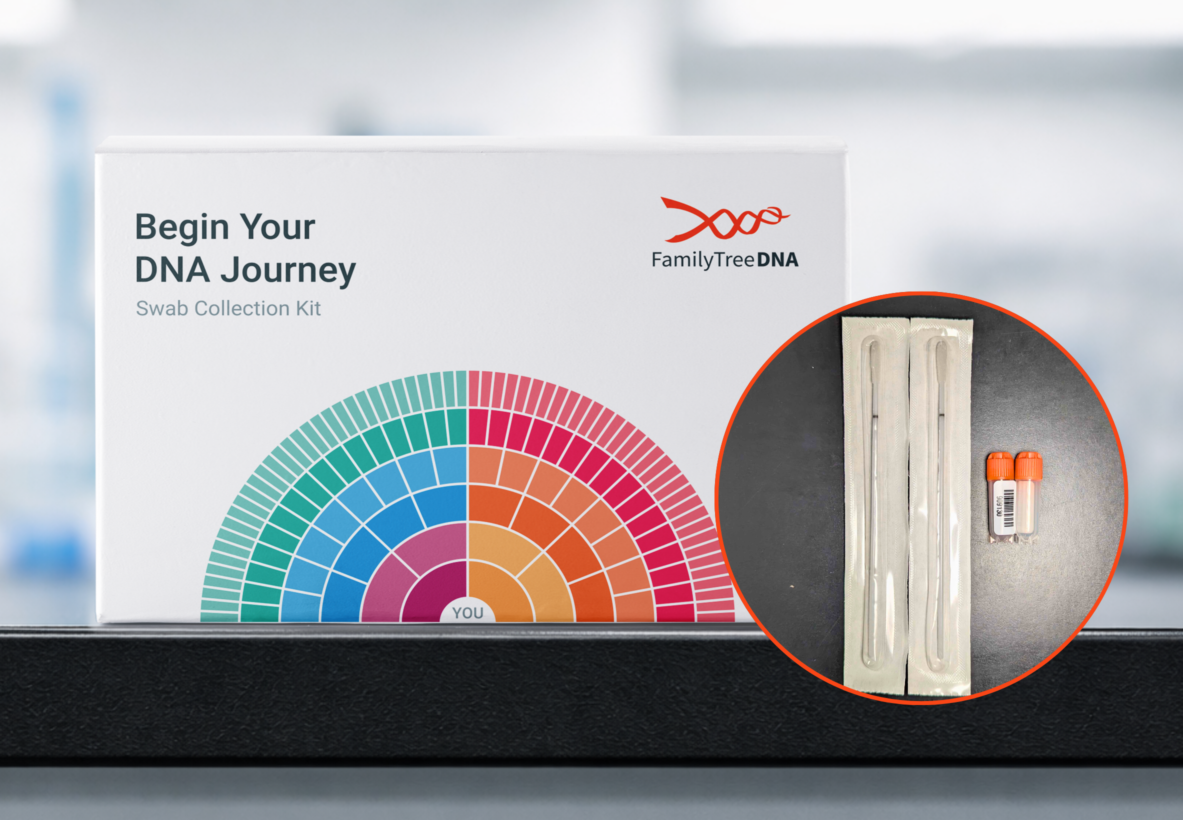
Once you have placed your order, if this is the first test you have ordered from FamilyTreeDNA, we will mail out our DNA collection kit to you. Once you have returned your samples to us, we’ll send one to the lab for extraction and testing and place one in storage.
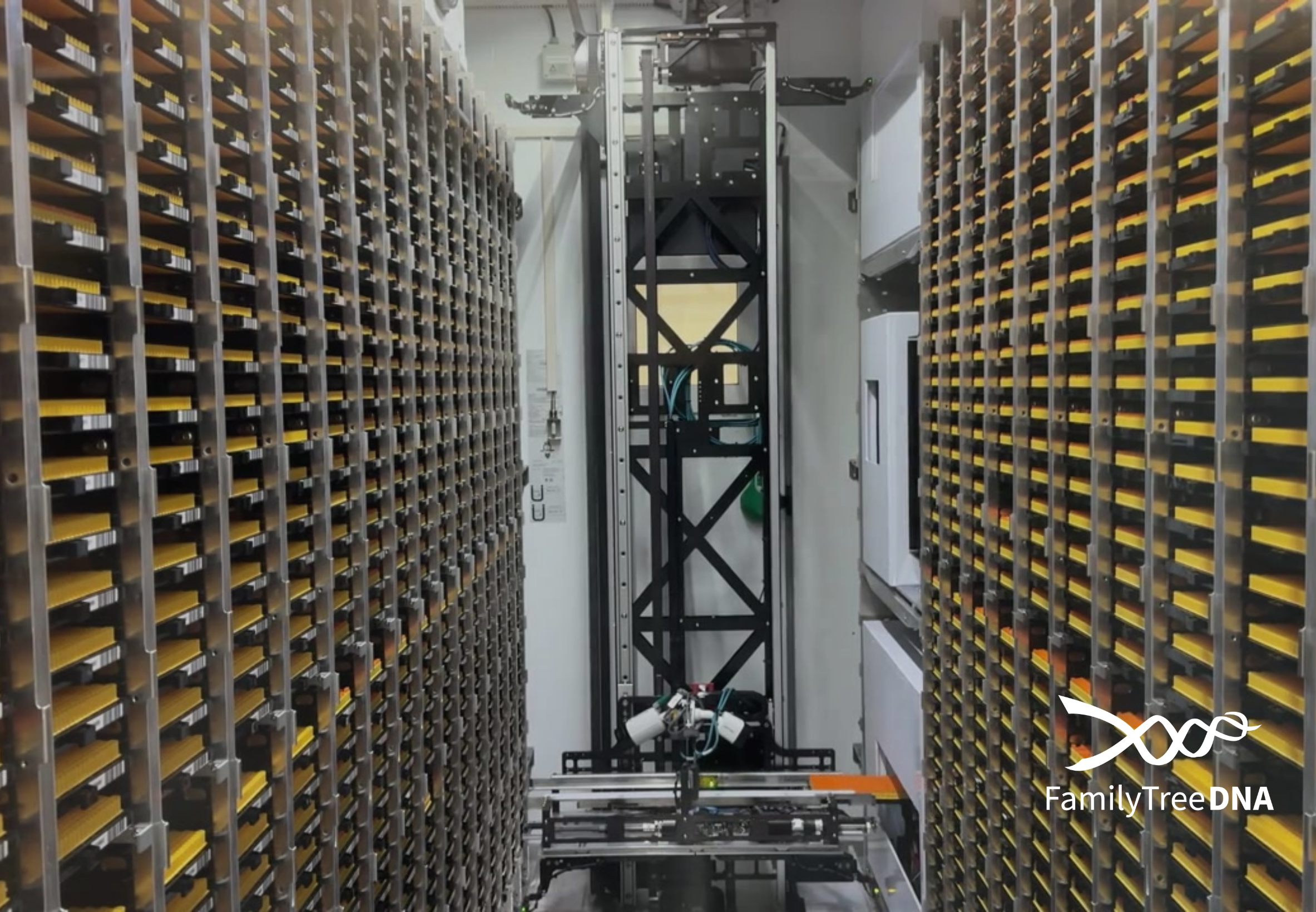
If this is not your first test with FamilyTreeDNA, we will obtain your previously submitted sample from storage and send that to the lab for extraction and testing.
DNA Extraction and Sequencing
After your sample is received, your DNA is extracted from the collected cells and prepared for analysis as part of the autosomal DNA testing process.
FamilyTreeDNA now uses targeted panel next-generation sequencing (NGS) for autosomal DNA testing. This method focuses on specific regions of your DNA that are most informative for genealogical analysis, rather than scanning the entire genome.
By concentrating on these high-value regions, targeted panel NGS:
- analyzes the parts of your DNA most useful for finding matches
- provides more consistent and precise results
- creates a strong foundation for future tools and discoveries
This approach allows autosomal DNA testing to deliver accurate matching and ancestry insights while continuing to evolve as new advancements in genetic genealogy emerge.
Data Processing in Autosomal DNA Testing
While the underlying technology has advanced (including our transition to targeted panel NGS in March 2026), the core principles of autosomal DNA analysis remain the same: comparing shared DNA segments to identify matches and estimate ancestral origins.
Before being processed for matching and myOrigins analysis, your data goes through a process called imputation. Imputation expands your results by inferring genetic information based on patterns commonly inherited together.
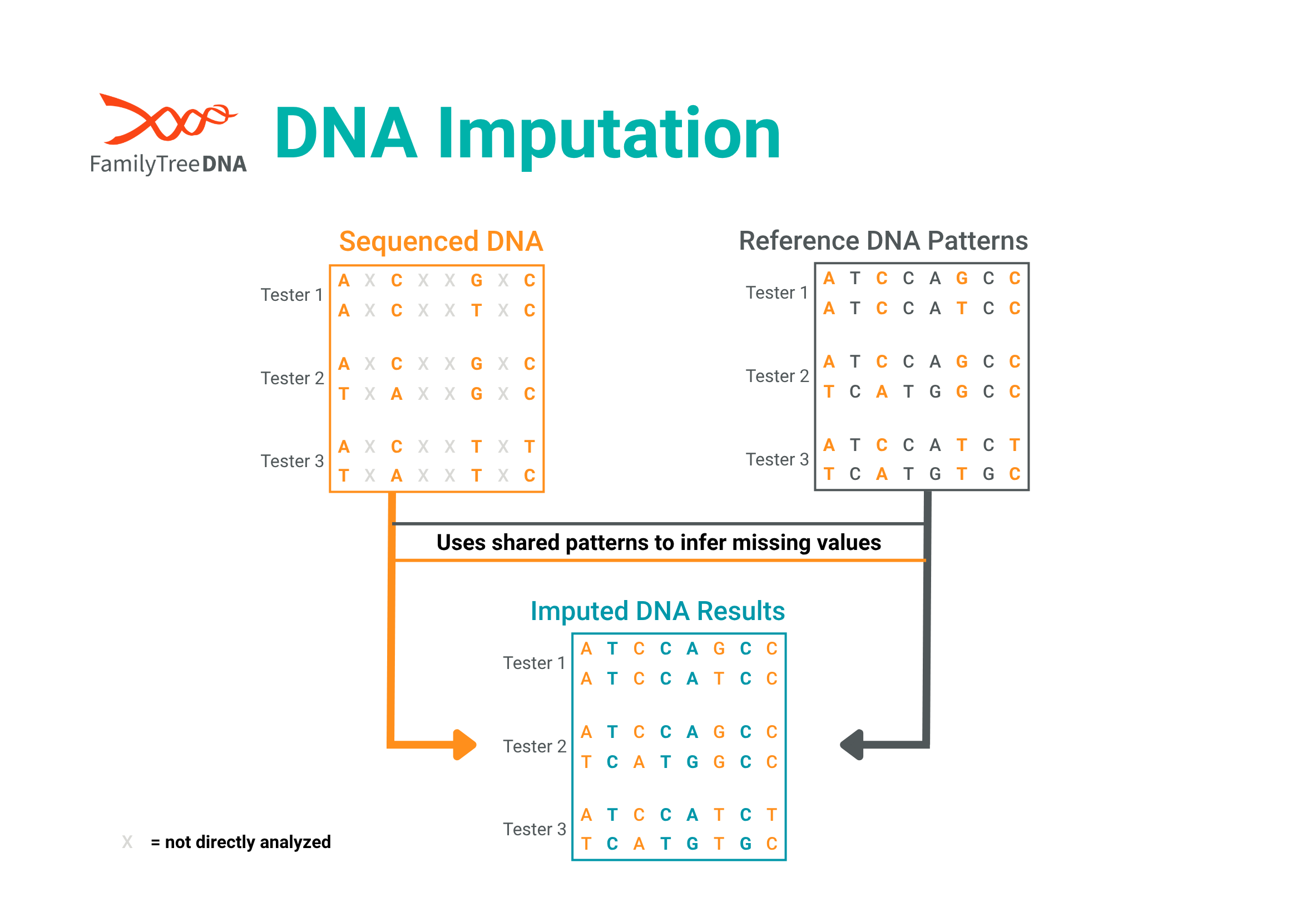
For example, if two positions in your DNA are typically inherited together, your results at one position can help predict the result at another—even if that second position was not directly analyzed.
Because different testing methods and datasets may capture slightly different portions of the genome, imputation helps standardize results. This allows for accurate matching across all testers, including those who tested at different times or transferred their autosomal DNA results from other companies.
Matching and Ancestry Results
After your DNA has been processed, it is compared to other individuals in the FamilyTreeDNA database to identify genetic matches. Autosomal DNA testing works by finding shared segments of DNA that indicate a common ancestor.
These matches can include close relatives, like siblings or cousins, as well as more distant connections across your family tree. The closer the relationship, the more DNA you are likely to share.
At the same time, your DNA is compared to reference populations to estimate your ancestral origins. These results are presented through tools like myOrigins, which provide insights into the geographic regions your ancestors may have come from.
Once this analysis is complete, your results are uploaded to your FamilyTreeDNA account, where you can explore your matches, view your ancestry breakdown, and begin using your results for genealogical research.
Frequently Asked Questions About Autosomal DNA Testing Process
How accurate are autosomal DNA tests for predicting ancestral origins?
Autosomal DNA testing provides reliable estimates of ancestral origins by comparing your DNA to reference populations. However, these estimates may change over time as databases grow and reference populations are refined.
How long does it take to get autosomal DNA test results?
Autosomal DNA test results are typically available within several weeks after your sample is received. This includes DNA extraction, sequencing, data processing, and analysis.
How do autosomal DNA tests differ between major consumer companies?
Autosomal DNA tests differ based on the technology used, the regions of DNA analyzed, and the size and diversity of each company’s database. These differences can affect matching results and ancestry estimates.
Is imputation only used in autosomal DNA testing?
Imputation is most commonly used in autosomal DNA testing because it helps standardize data across different testing methods and datasets. It allows for more consistent matching, especially when comparing results from different platforms.
Do all companies use the same reference populations for ancestry estimates?
No. Each company uses its own reference populations and methodologies to estimate ancestral origins. This is why ancestry results may vary between different autosomal DNA testing providers.
Autosomal DNA testing works through a series of steps that transform your DNA sample into meaningful results, from sequencing and analysis to matching and ancestry estimates. These steps are what make it possible to connect with relatives and uncover your family history.
Understanding this process makes it easier to interpret your results with confidence.
Next, we’ll break down how to read your Family Finder results and what your matches and ancestry estimates really mean.
