Editor’s Note: This article was originally published in February 2023. Images and visuals have been updated in June 2026 to reflect current FamilyTreeDNA Discover™ data.
Also by Sherman McRae: Tracing Your Maternal Roots: The Power of African mtDNA Haplogroups.
By: Sherman McRae
For people of African descent, Y-DNA testing can offer a powerful window into paternal ancestry that records alone can’t provide.
The Y-chromosome passes from father to son, generation after generation, largely unchanged. For African American genealogy researchers, that unbroken paternal thread can be one of the most powerful tools for tracing ancestry back to Africa — especially where historical records run out. Here’s what Y-DNA testing can tell you, and why it matters for the diaspora.
How Does Y-DNA Testing Work for African American Ancestry Research?
Y-DNA testing examines markers on the Y-chromosome passed from father to son across generations. For people of African descent, it can point researchers toward specific African regions and genetic matches that documents alone cannot reach.
The Genetic Diversity of African and Diasporic Populations
People of African and diasporic descent are widely recognized as the most genetically diverse populations on the planet. This can be attributed to a number of factors, such as the size of the continent or the many millennia of intermigration, trade, and conquest. Some genetic studies done on modern Africans still detect remnants of shared ancestry with ghost populations that died out long ago.
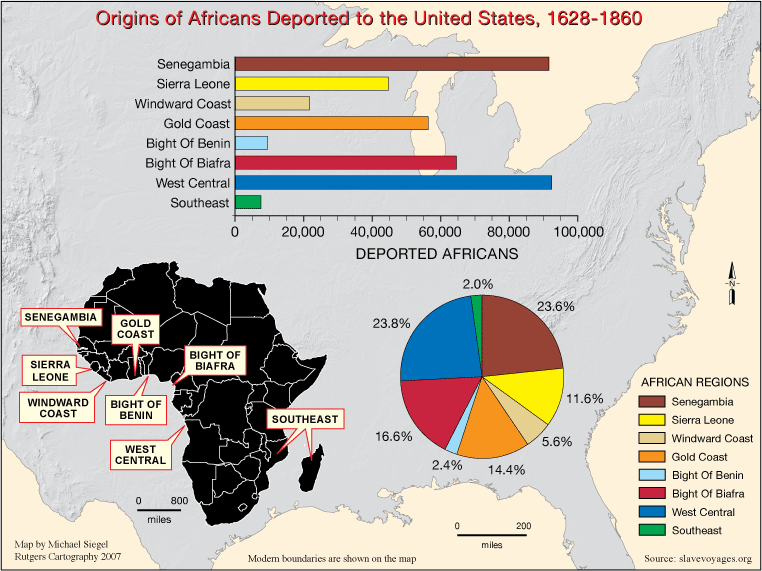
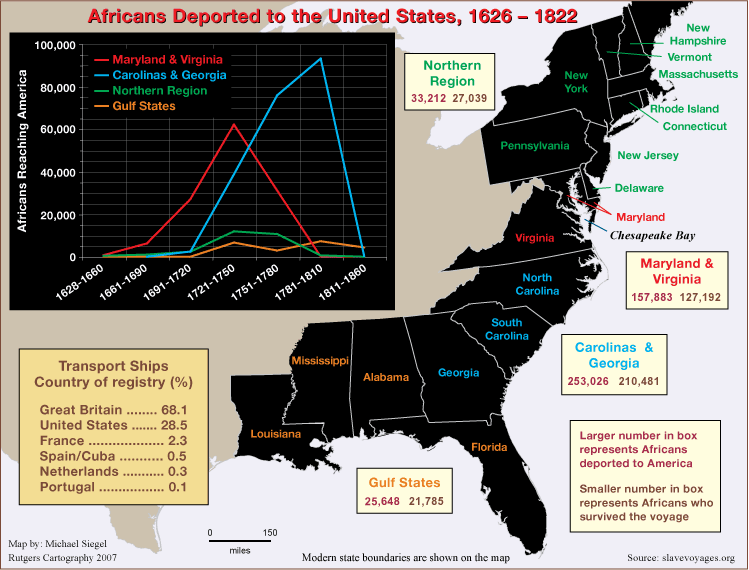
More recent events, such as transatlantic slavery, have resulted in an even greater genetic shift for displaced continental Africans. Africans were forced to migrate and live with other Africans from various tribes and ethnic groups in foreign lands.
For many Africans, further displacement (forced migration and reproduction) would continue once they were in the Americas. As a result, science and research studies show that roughly 35–40% of African American males who take a Y-DNA test carry a European haplogroup.
This is directly due to the fact that European males had children with enslaved women of African descent, producing mulatto offspring .
How African and Diasporic DNA Connects Back to Africa
It’s important to note that African Americans and people of the diaspora are not homogeneous. The degree of genetic variability is often underestimated. Each population carries a unique set of genes and markers that can be traced back to specific countries or regions in Africa.
As a result, it’s possible for African Americans and people of the diaspora to trace their relationship with our African ancestors.
Why Limited Y-DNA Testing Creates Genetic Gaps for the Diaspora
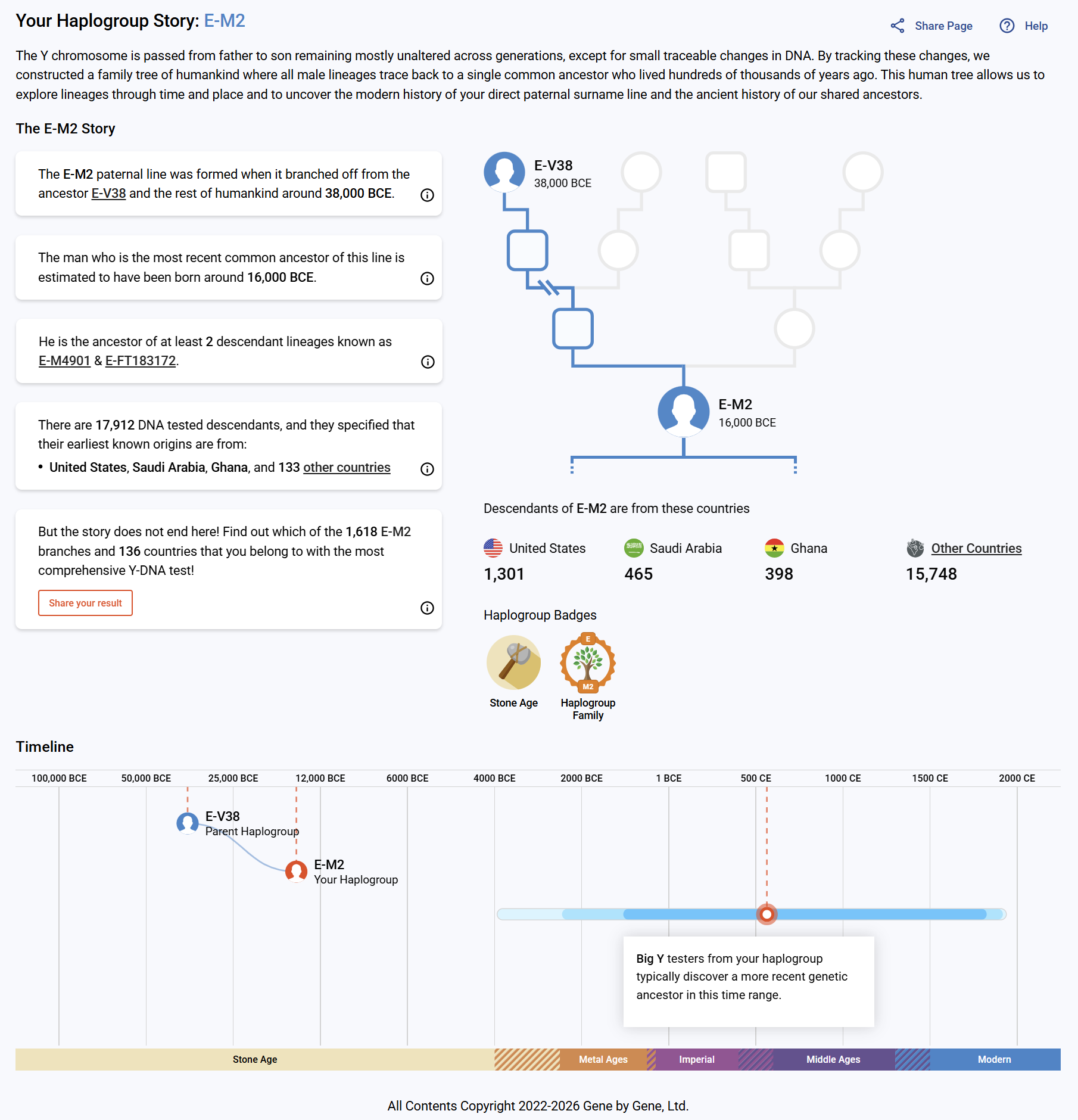
Most African-descended people in the Americas descend from a man born in West Africa, approximately 15,000 years ago, known as E-M2. His descendants would migrate into South Africa, East Africa, and well into the Middle East.
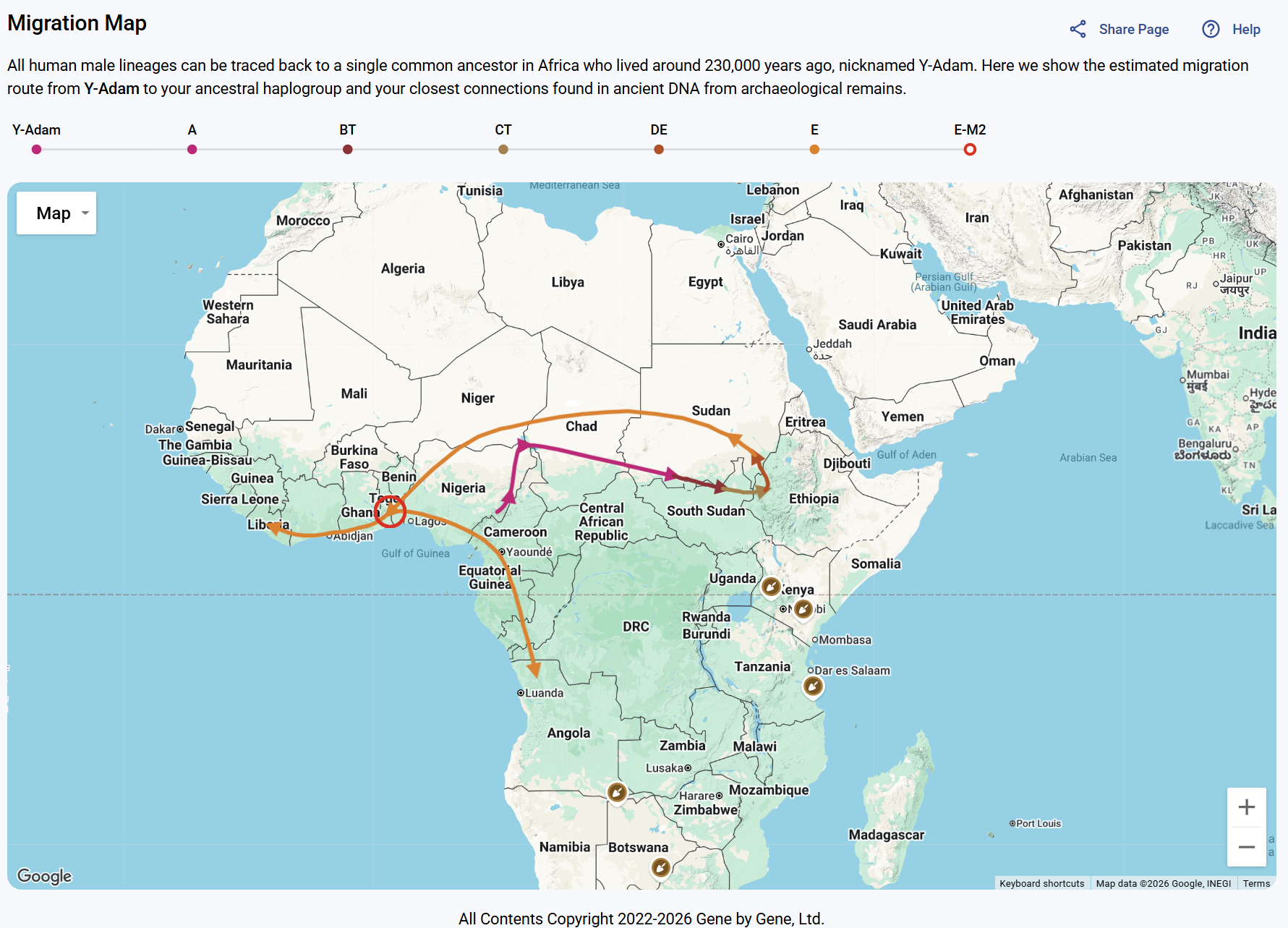
The limited testing done on Africans and people of the diaspora has disproportionately affected our Y-DNA matches. The limited test results are creating huge genetic gaps where most of our American matches share an unknown African ancestor from thousands of years ago.
As more people have their Y-DNA tested, those genetic gaps will begin to close. We will start to pick up closer matches that could assist in breaking down genetic brick-walls in areas where other testing has limitations. As more men test, those closer matches would point to more recent ancestors within the last 400 to 600 years.
How Academic Research Is Refining the Y-DNA Haplotree for African Ancestry
Much of continental Africa is still largely untested for genetic information. However, new academic studies and human genome projects have been invaluable resources for understanding the genome of people of African descent.
Significant growth and branch refinement are a direct correlation between the analysis and placement of findings on the Y-DNA Tree of Humankind. Many of these samples now serve as “anchors” and enable testers to identify their closest African matches and their country or region of origin.
Some genetic gaps are closing among testers of African descent. FamilyTreeDNA has analyzed hundreds of African samples and placed many of them on the tree for matching, with hundreds more waiting to be added. The result is creation of more branches, allowing modern-day testers to confirm their origins
How FamilyTreeDNA Brought Angolan Research to the Y-DNA Haplotree
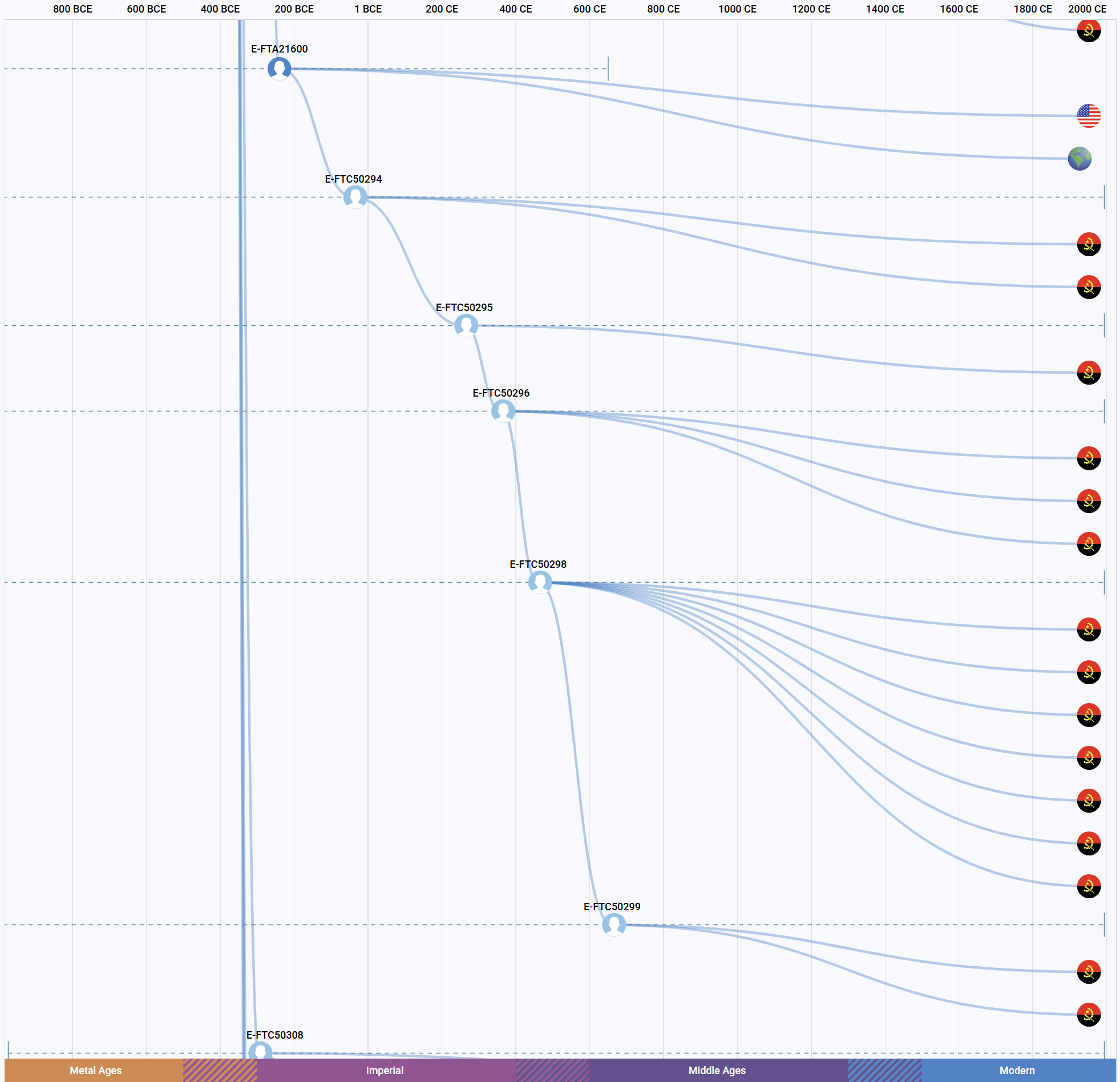
A section of the Y-DNA haplotree includes over 200 Angolan samples from a genetic study. The result caused a huge growth in Y-DNA branches. Now, modern-day testers with Mexican, Haitian, and American flags can see how they match against the Angolan samples from the study, giving them an idea of the region in Africa from which their direct paternal origins arise.
From Albert Perry to Zimbu: Y-DNA Discoveries That Changed Everything
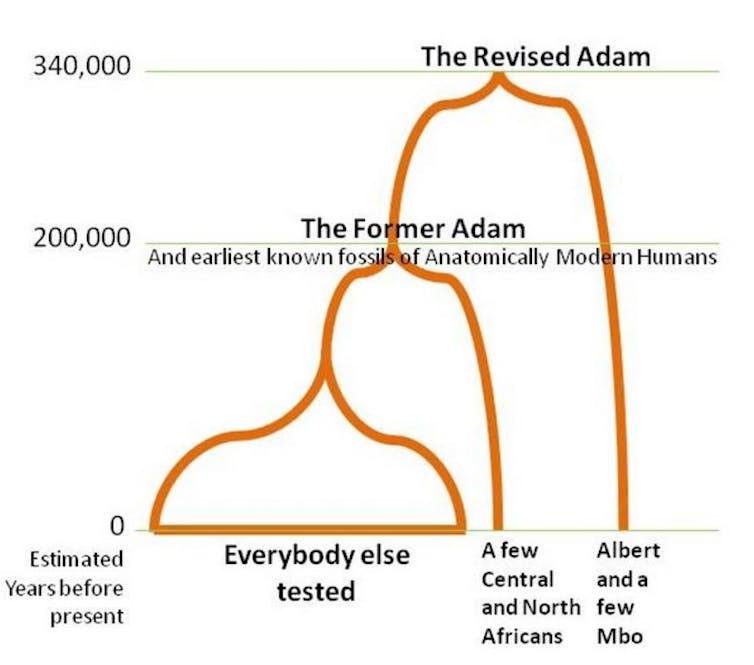
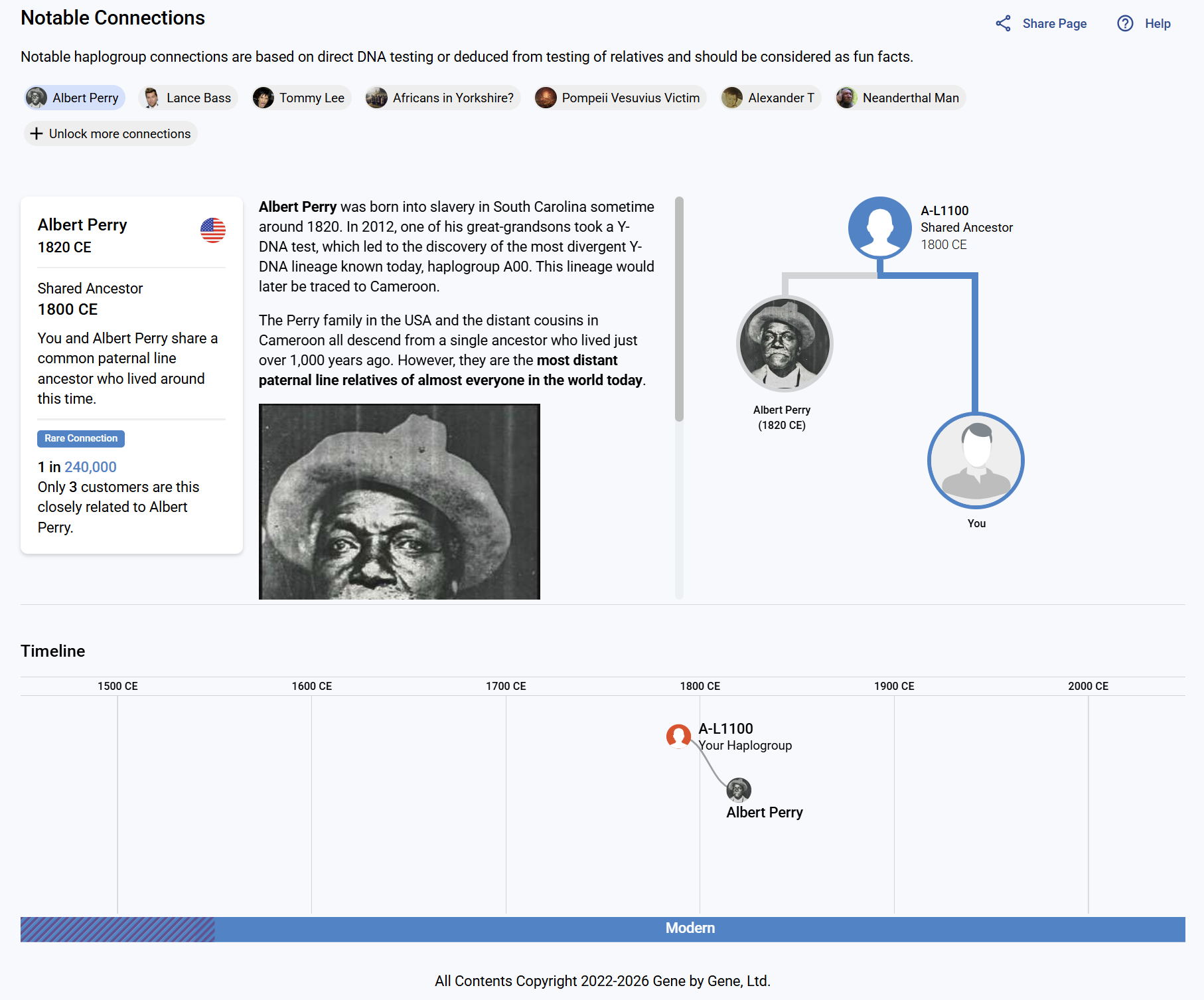
A remarkable discovery was made by the male descendants of Albert Perry after they tested with FamilyTreeDNA. Their Big Y test results not only established a new branch, A00, but also pushed the root of humanity back at least 100,000 years. Scientists realized that Perry’s Y-chromosome was not descended from the previously established Y-chromosomal Adam.
Instead, a new “Adam” from further back in time has been identified. Perry’s branch split from the tree at that point, as shown in the figure.
A recent discovery, connected to my own lineage, shows the type of successes others can also have. By choosing to upgrade my own Y-DNA test to the highest level offered at FamilyTreeDNA (Big Y-700), I was able to compare my Y-DNA with academic and archaeological samples that are also available in the Y-DNA database.
As a result, I discovered that I share a paternal line connection with a man who archaeologists refer to as CHS 13, or Zimbu. Zimbu was born in Africa and transported to Charleston in the mid-1700s. He lived in America for less than five years before dying. He was buried in a long forgotten enslaved cemetery in Charleston, South Carolina. He was 35 to 40 years old when he died.
The Anson Street Ancestors and My Connection to Zimbu
The remains of Zimbu, and 35 others, were discovered during renovations at the Gaillard Center in Charleston, South Carolina. The Charleston community and genetic researchers partnered to conduct genetic analysis on the discovered remains. The formerly enslaved people were named the Anson Street Ancestors and underwent a naming ceremony and reburial.
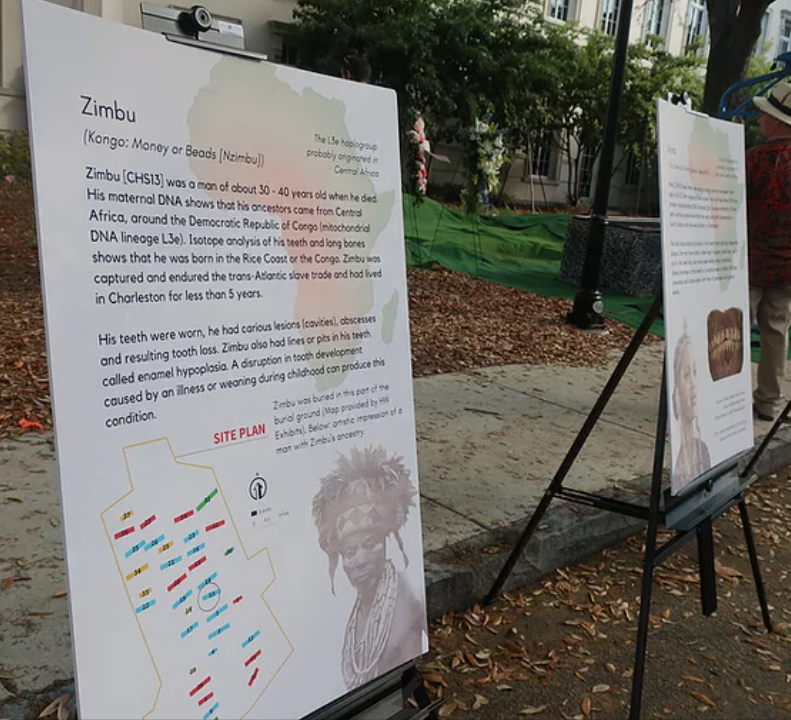
I was elated to learn of my connection to Zimbu. Once the FamilyTreeDNA Research & Development team analyzed the published study and added the samples to the database for comparison. My direct paternal origins were estimated to be from the Congo region, based on distant STR matches.
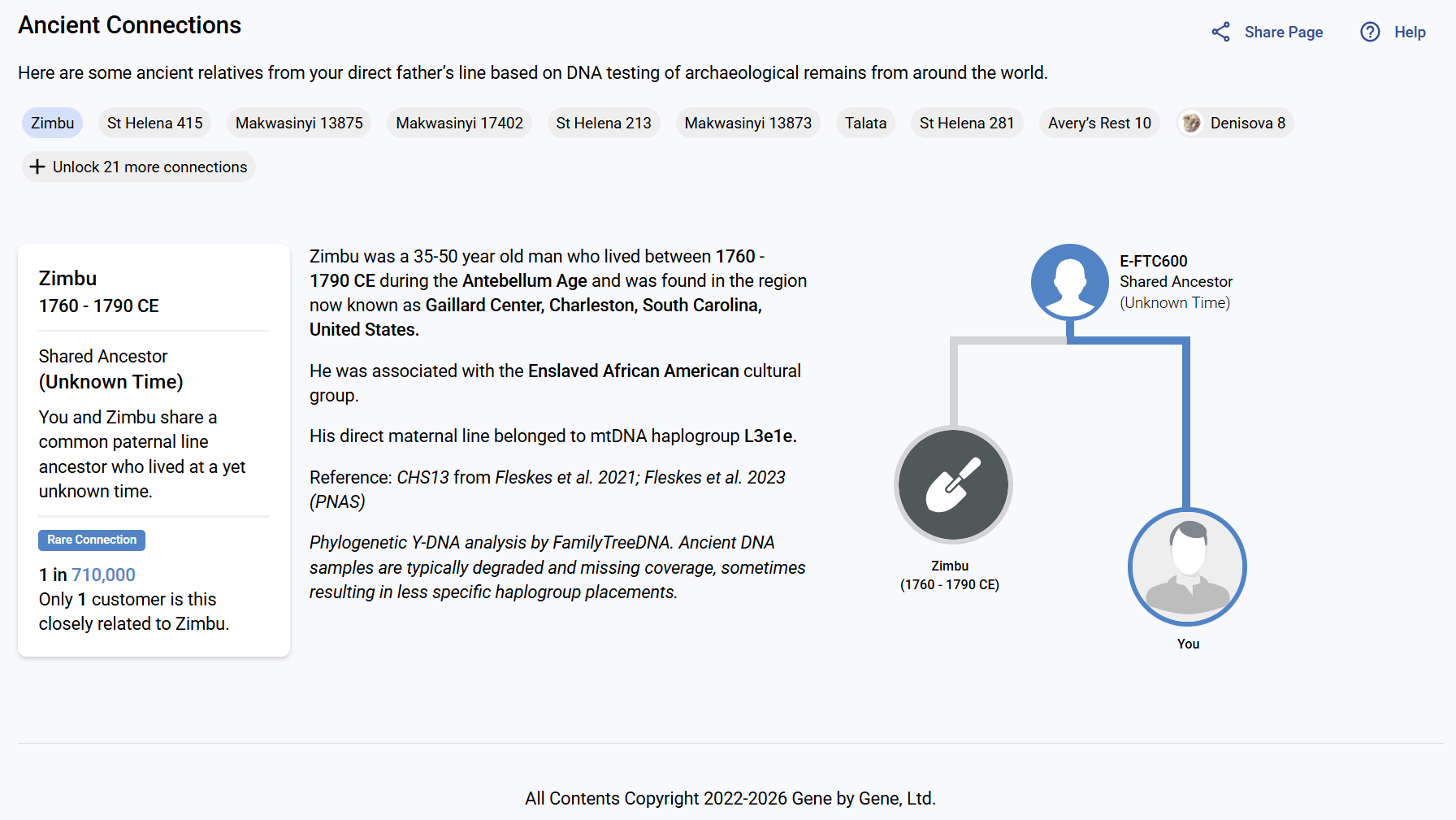
Through Big Y-700 testing, the discovery was made that we share the same terminal haplogroup. Experts estimate that our common ancestor lived over 500 years ago.
Before the discovery of my connection to Zimbu, I was only clustered with more distant matches from Kenya, Saudi Arabia, and Angola.
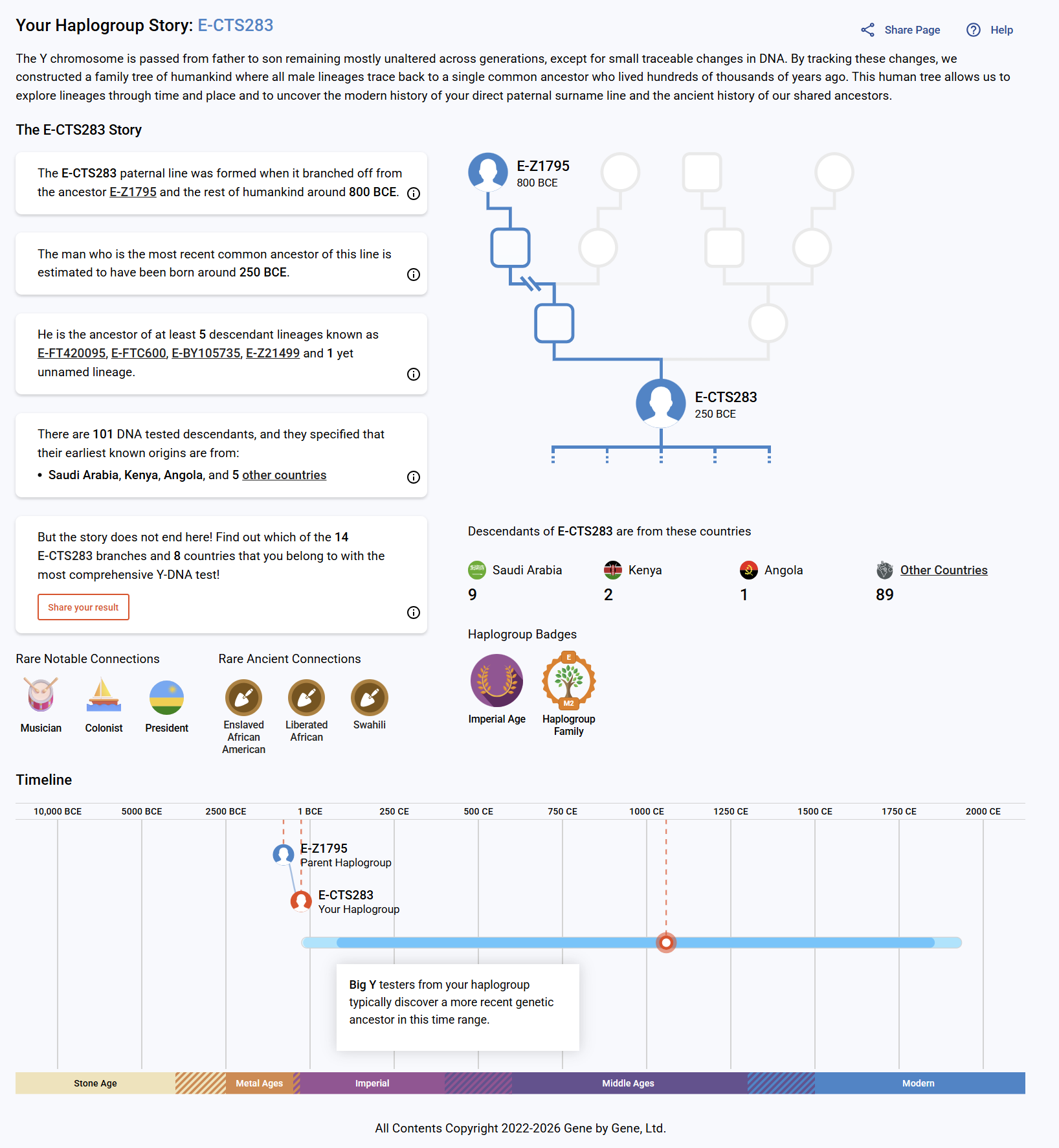
Zimbu’s results, in conjunction with mine, generated a new haplogroup called E-FTC600.
You can see my connection to Zimbu as well as other African academic samples from various genetic studies that we’ve analyzed and added to the Time Tree.
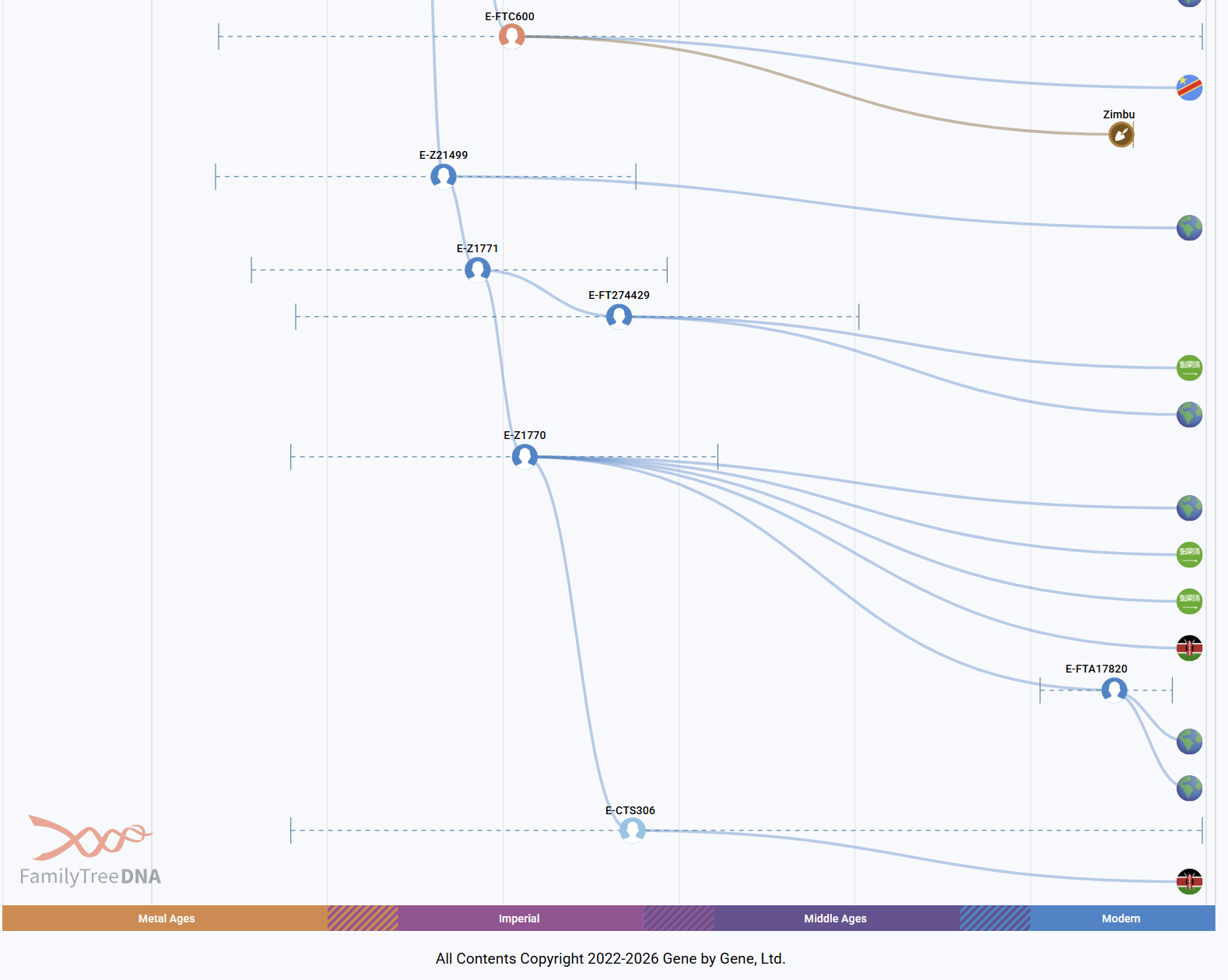
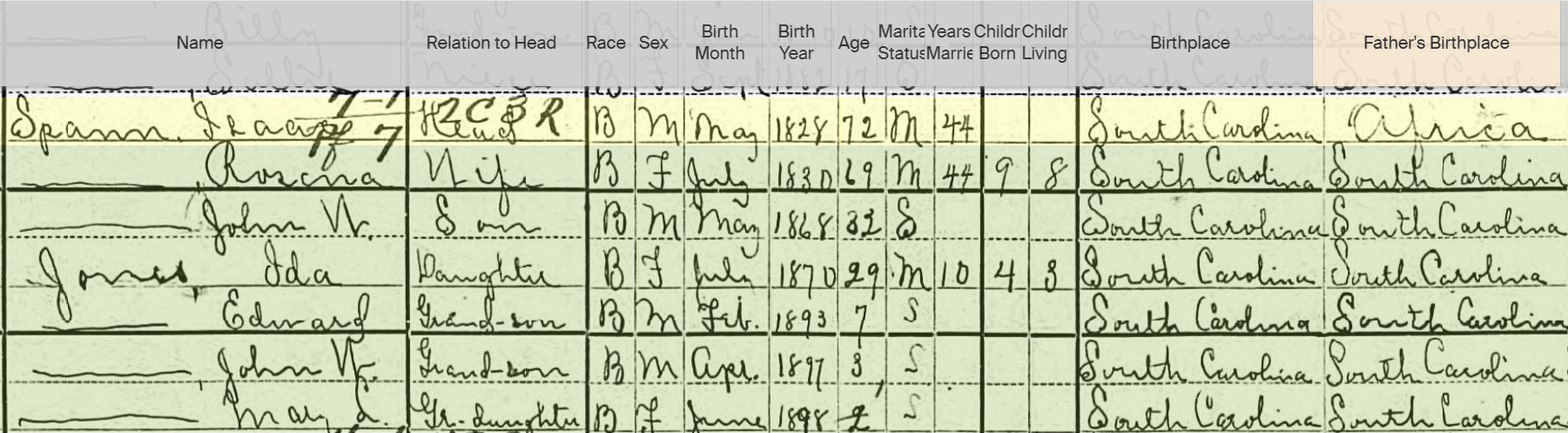
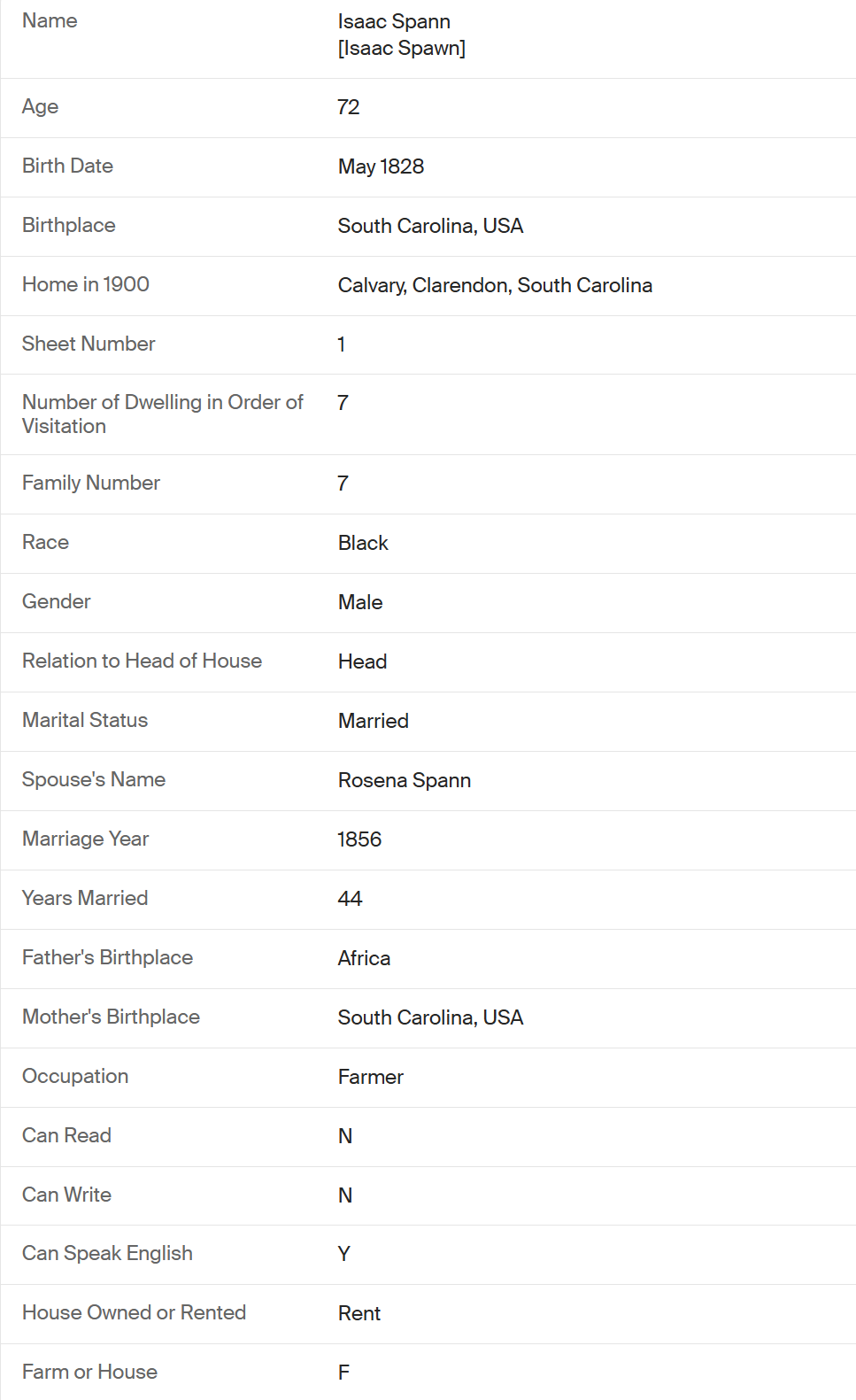
My paternal roots are from Clarendon County, South Carolina. My second great-grandfather left a good clue on a census record in 1910, when he noted that his father was born in Africa. It’s along this direct paternal path that my male line would intersect with Zimbu’s male line, probably in the Congo/Angola area of Africa.
How to Use Y-DNA Testing in Your African American Genealogy Research
In the collaborative sport of genetic genealogy, many genealogy researchers underutilize Y-DNA testing. Enlisting family members for Y-DNA testing is not restricted to men.
Researchers should also target cousins for testing. To determine your mother’s father’s Y-DNA haplogroup, you can locate a male cousin on that patrilineal line and request that they take a test. Alternatively, you can scan your autosomal DNA matches and invite them to take a test. You may discover that several of your male cousins have already undergone testing.
FamilyTreeDNA’s Y-DNA Tools for African American Genealogy Research
An effective remedy for genetic gaps is to perform NGS testing, such as the Big Y-700. This test analyzes hundreds of thousands of genetic markers on the Y-chromosome and provides a highly detailed analysis of a genetic male’s paternal ancestry. Test results also include an updated Y-DNA haplogroup assignment, referred to as the terminal SNP. A reliable estimate of the Time to Most Recent Common Ancestor (TMRCA) can be obtained by comparing shared SNPs with modern testers and academic samples.
The FamilyTreeDNA Discover reports also offer users Y-DNA tools and interactive reports to explore the Y-chromosome, including a Time Tree perspective that demonstrates their connection with modern testers and ancient samples.
The Research & Development team at FamilyTreeDNA plans to continue analyzing studies and updating sparsely populated branches. They also plan to strengthen relationships with African-based researchers to analyze more Y-chromosomes of continental Africans and hopefully place their results on the Y-DNA Tree of Humankind.
By boosting the engagement of African-descended Y-DNA testers and prioritizing African testing by academic and commercial entities, we will empower people affected by slavery to identify their African place of origin.
Hopefully this will help them connect with other Y-DNA matches in the Americas, and ultimately bridge some of the genetic divides in our complex ancestral lines from a tumultuous past.
Frequently Asked Questions
Can women use Y-DNA testing for African American genealogy research?
Women don’t carry a Y-chromosome, but they can still access Y-DNA results by enlisting a father, brother, or male cousin on the patrilineal line they want to research.
How does the Big Y-700 test differ from basic Y-DNA testing?
While basic Y-DNA tests analyze a limited number of markers, the Big Y-700 analyzes hundreds of thousands of genetic markers on the Y-chromosome, providing a far more detailed haplogroup assignment and the ability to match against both modern testers and ancient archaeological samples.
What are genetic gaps in African American genealogy and how does DNA testing help?
Genetic gaps occur when limited Y-DNA testing among people of African descent leaves most diaspora matches sharing only a very distant unknown ancestor — but as more people test, those gaps narrow and closer, more meaningful matches begin to emerge.
How can I find African paternal ancestors through Y-DNA testing?
Y-DNA testing can assign you a paternal haplogroup and connect you with genetic matches and academic samples that may point to a specific region or country of origin in Africa.
Sources
- New York Public Library. “Abolition.” Schomburg Center for Research in Black Culture. http://abolition.nypl.org/maps/
- Anson Street African Burial Ground Project. https://www.asabgproject.com/
- Fleskes, Raquel E., et al. “Community-Engaged Ancient DNA Project Reveals Diverse Origins of 18th-Century African Descendants in Charleston, South Carolina.” Proceedings of the National Academy of Sciences, vol. 120, no. 3, 2023. doi:10.1073/pnas.2201620120.
- Oliveira, Sandra, et al. “The Role of Matrilineality in Shaping Patterns of Y Chromosome and mtDNA Sequence Variation in Southwestern Angola.” European Journal of Human Genetics, vol. 27, 2019, pp. 475–483. doi:10.1038/s41431-018-0304-2.
- Tracing African Roots. https://tracingafricanroots.wordpress.com/
- Ifill, Sherrilyn. “Exactly How Black Is Black America?” The Root. https://www.theroot.com/exactly-how-black-is-black-america-1790895185
- Rutherford, Adam. “Albert and Adam Rewrite the Story of Human Origins.” The Conversation. https://theconversation.com/albert-and-adam-rewrite-the-story-of-human-origins-15835